573 Sq. Ft. Attached ADU — $139,850 Base / $171,850 Final
Attached ADU · Cash-out refinance · One cost-saving decision + two scope overruns totaling $32,000 · $2,050/month rental revenue
Completed — OccupiedThis homeowner in Ontario, CA added a 573 sq. ft. attached ADU to their existing single-family residence, designed for long-term family occupancy. The unit includes a full kitchen, private bathroom, sleeping area, and in-unit laundry. CCDS served as licensed contractor and land use consultant throughout, from Phase 1 feasibility — where a water meter cost comparison identified $7,150 in savings — through final Certificate of Occupancy.
Full cost breakdown
| Line item | Amount |
|---|---|
| Base construction contract | $139,850 |
| Cost Decision 1 — Owner-selected water sub-meter (vs. $11,500 street meter alternative — saves $7,150) | $4,350 |
| Overrun 2 — New laundry room and appliances | $6,300 |
| Overrun 3 — Perimeter site work (patio, sidewalk, fencing) | $21,350 |
| Total above base contract — includes $4,350 cost decision + $27,650 scope overruns (22.9% above base) | $32,000 |
| Total project cost | $171,850 |
The three overruns — what happened and what to do instead
Owner-selected water sub-meter — saves $7,150
Two metering options were evaluated during Phase 1. Option A: a new street meter at an estimated $11,500 — including City of Ontario permit fees, water district connection fees, right-of-way trenching, and a Civil 'A' contractor for traffic control. Option B: an interior sub-meter on the existing service at $4,350. The homeowner chose Option B, saving $7,150.
New laundry room and appliances
Dedicated in-unit laundry added after permits were issued. Required a formal plan revision, additional plumbing and electrical rough-in, and appliance costs at mid-construction pricing — totaling $6,300.
Perimeter site work — patio, sidewalk, fencing
Patio, sidewalk, and fencing added post-permit to define the ADU's private outdoor area — the largest single overrun at $21,350. Owner-directed additions that felt secondary until construction was already underway.
Investment return
Break-even reflects full construction cost recovery from rental income only. Does not include property value appreciation or financing interest costs.
"Phase 1 utility evaluation on this project saved the homeowner $7,150 — the difference between a $4,350 sub-meter and an $11,500 street meter with right-of-way permits and district fees. That's the value of doing the utility comparison early. The $21,350 in site work is the other lesson: the fence, the patio, the sidewalk — those decisions did not get cheaper once the crew was on site."
— CCDS Field Team, Ontario Project400 Sq. Ft. Garage Conversion ADU — $127,000 City-Funded Loan
1-bedroom garage conversion · City of Pomona low-interest ADU loan · Currently in permitting · Anticipated $1,200–$1,500/month
In Permitting — Construction PendingThis homeowner in the City of Pomona is converting an existing garage into a 400 sq. ft. one-bedroom ADU, funded entirely through the City of Pomona's low-interest ADU Loan Program — a municipally administered financing vehicle designed to help qualifying homeowners develop ADUs without conventional construction lending. The project is currently in the permitting phase; construction has not yet begun.
Full financing breakdown
| Funding component | Source | Amount |
|---|---|---|
| Architectural plans | City of Pomona Low-Interest ADU Loan | $7,000 |
| Construction costs | City of Pomona Low-Interest ADU Loan | $120,000 |
| Total project funding | $127,000 | |
The City of Pomona ADU Loan Program
The City of Pomona administers a low-interest ADU loan program as part of its Housing Element compliance strategy — making below-market-rate construction financing available to qualifying homeowners who may not qualify for conventional lending or who want to avoid resetting their existing mortgage.
This program is a compelling alternative to cash-out refinancing or HELOC financing for three reasons:
- Interest rates are set below conventional market rates by the city
- Plans costs ($7,000) are included in the loan — covering pre-construction expenses that often must be paid out-of-pocket with conventional financing
- The homeowner's existing mortgage is preserved untouched
Why a garage conversion
Garage conversions are among the most cost-efficient ADU types in California. The existing foundation, roof structure, and utility proximity significantly reduce construction costs compared to a detached or attached new-build ADU. California law (AB 2221 and SB 897) specifically protects garage conversions from many local restrictions — prohibiting replacement parking requirements and limiting setback rules.
For this Pomona project, a 400 sq. ft. one-bedroom unit is well-calibrated for the city's rental market, which supports single occupants and couples at competitive rents. The $127,000 total budget — including plans — aligns with Inland Empire / San Gabriel Valley market rates for a conversion of this scope.
Anticipated investment return
"Homeowners who engage a land use consultant at the Phase 1 stage — before committing to any financing path — can access municipal programs that fundamentally change the project economics. The Pomona homeowner avoided conventional lending entirely. That's the value of doing the program research before signing anything."
— CCDS Field Team, Pomona ProjectConstruction Documentation
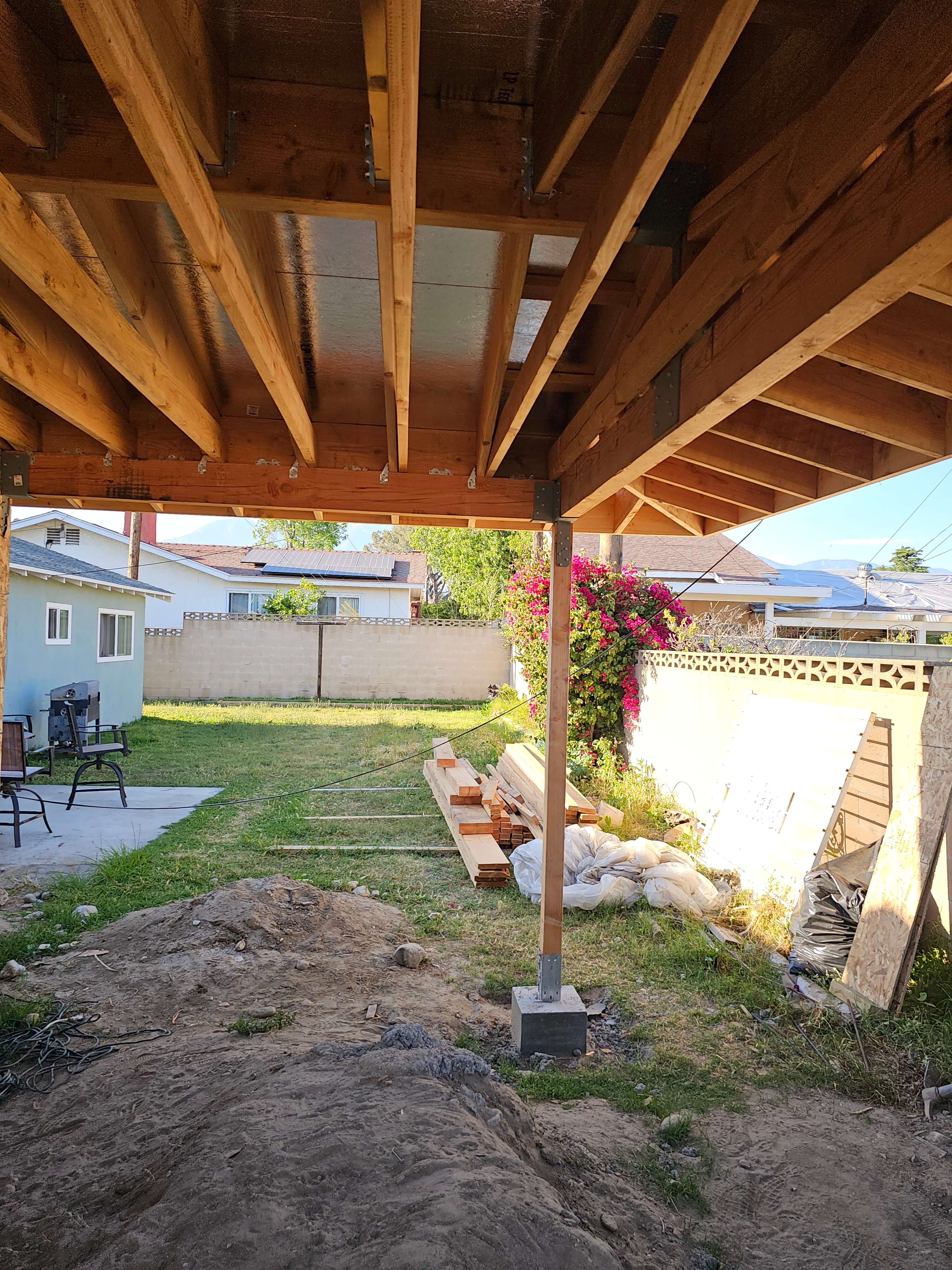
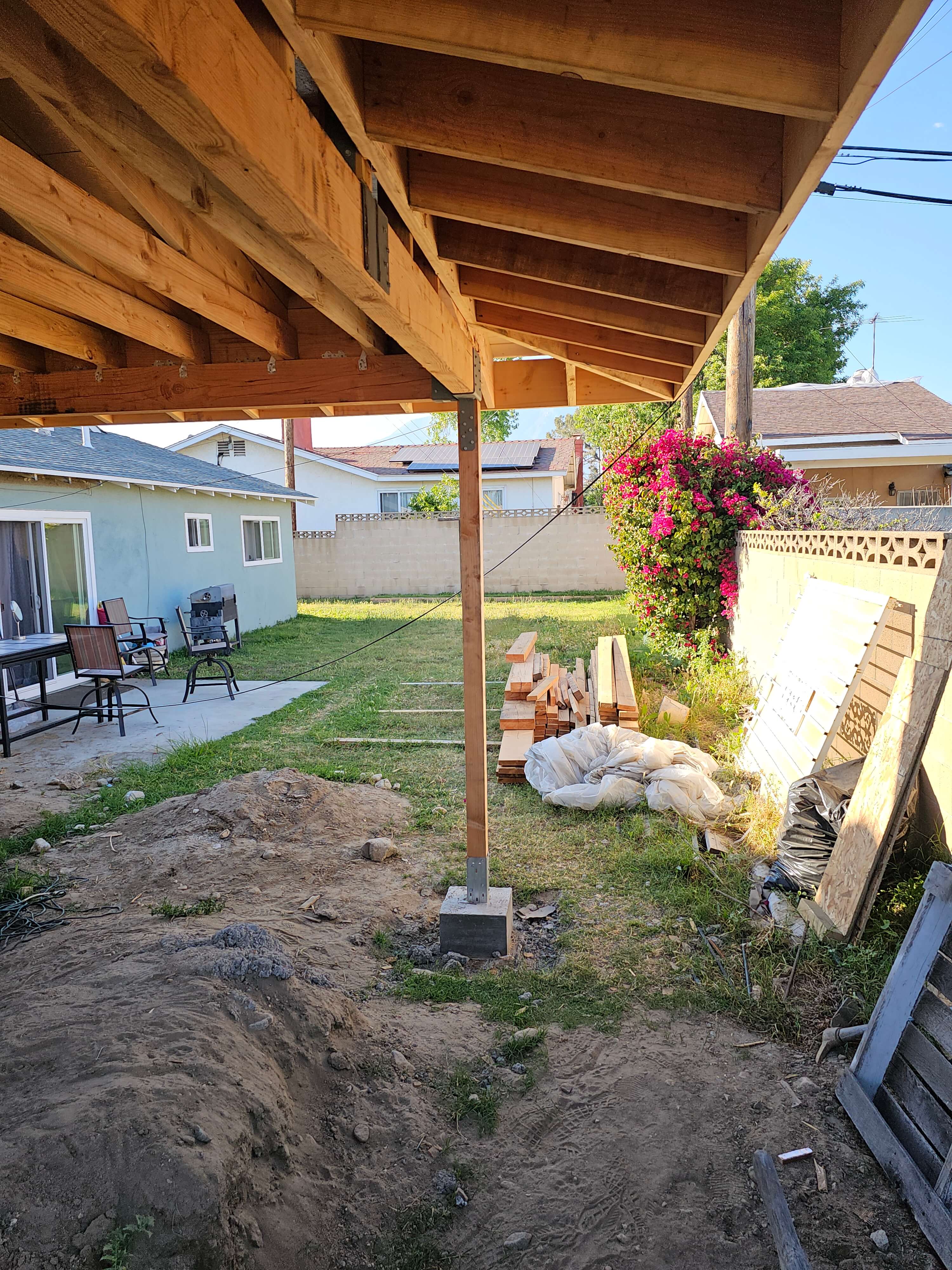
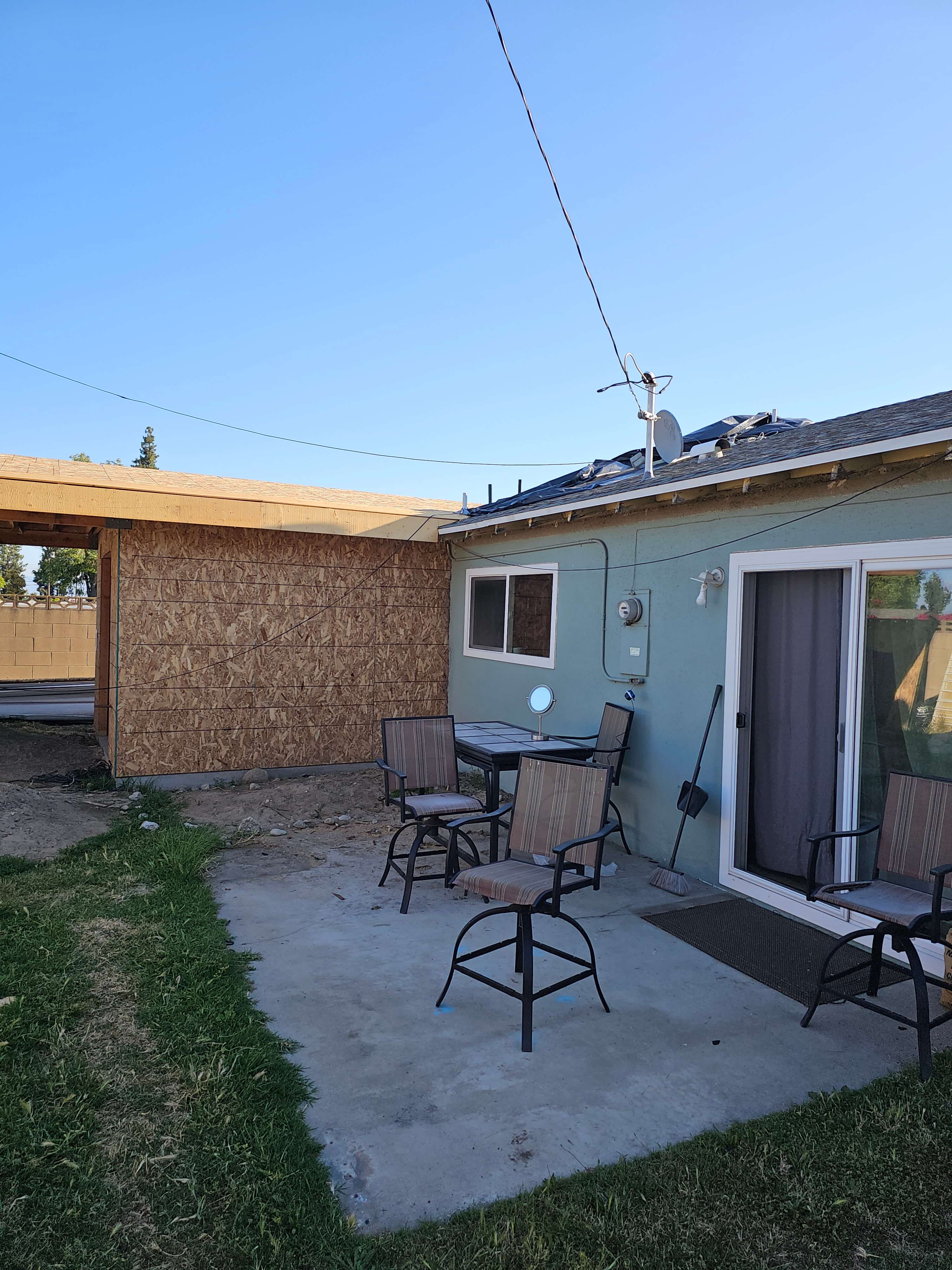
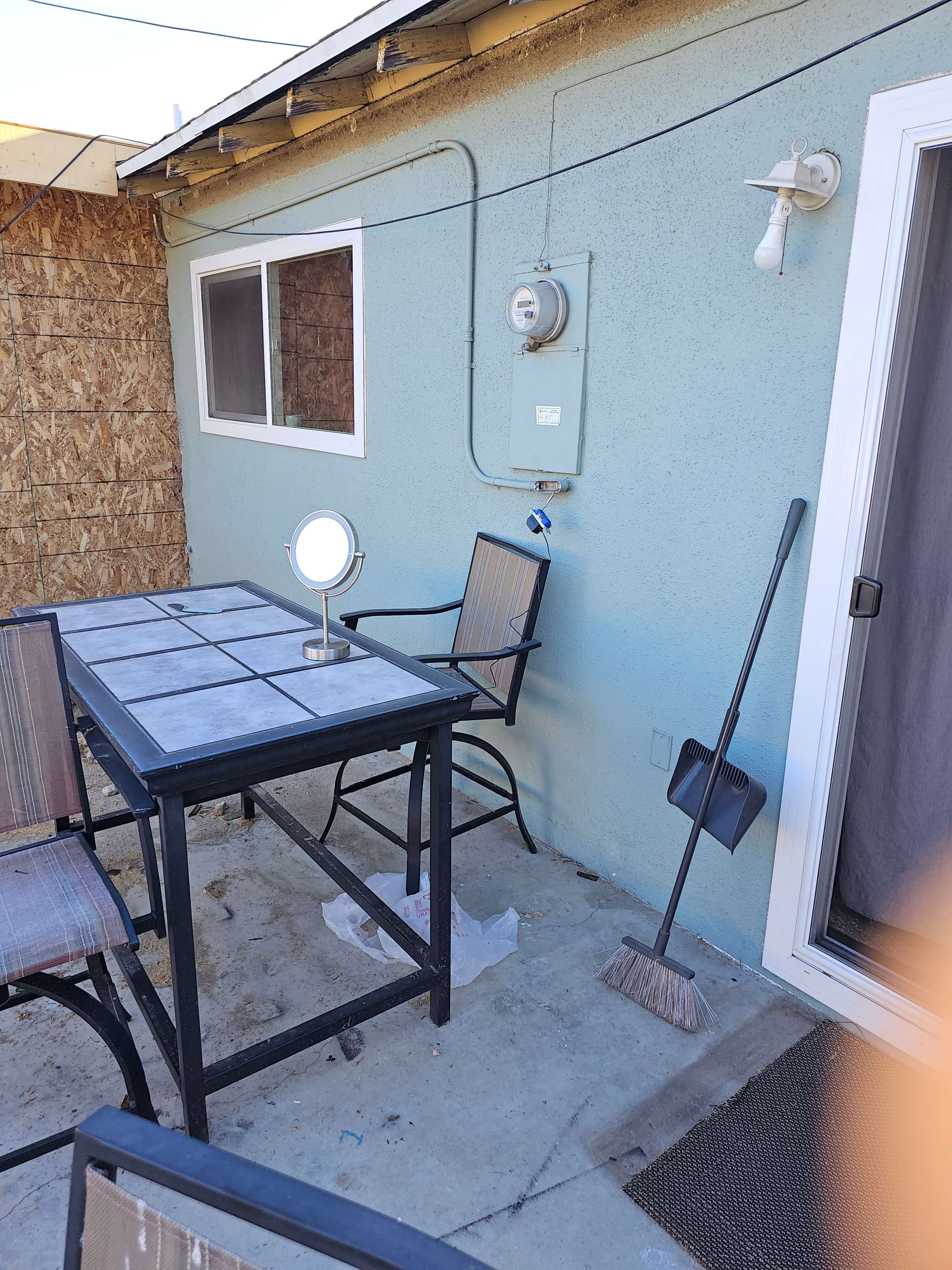
Project Photo Gallery
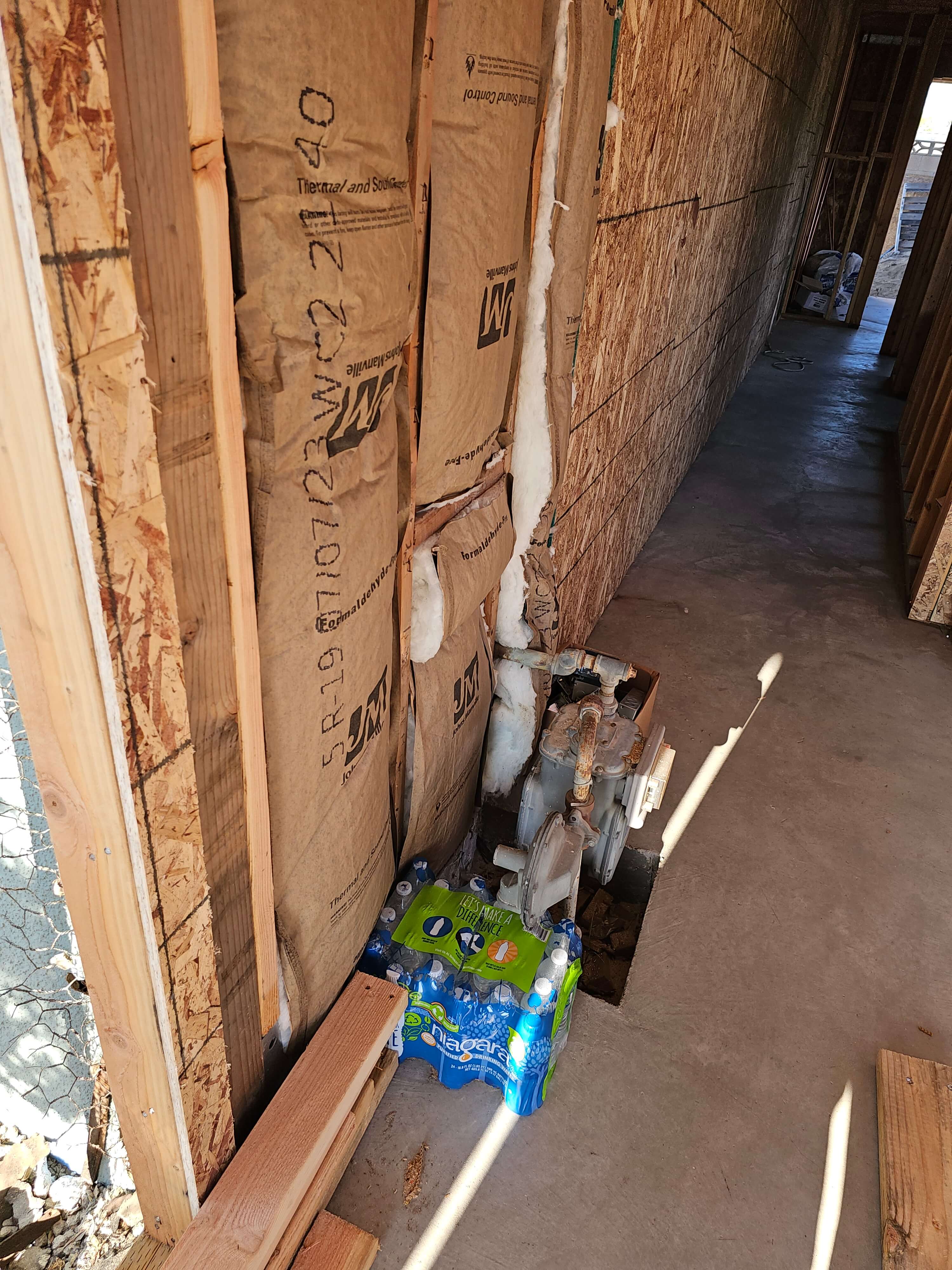
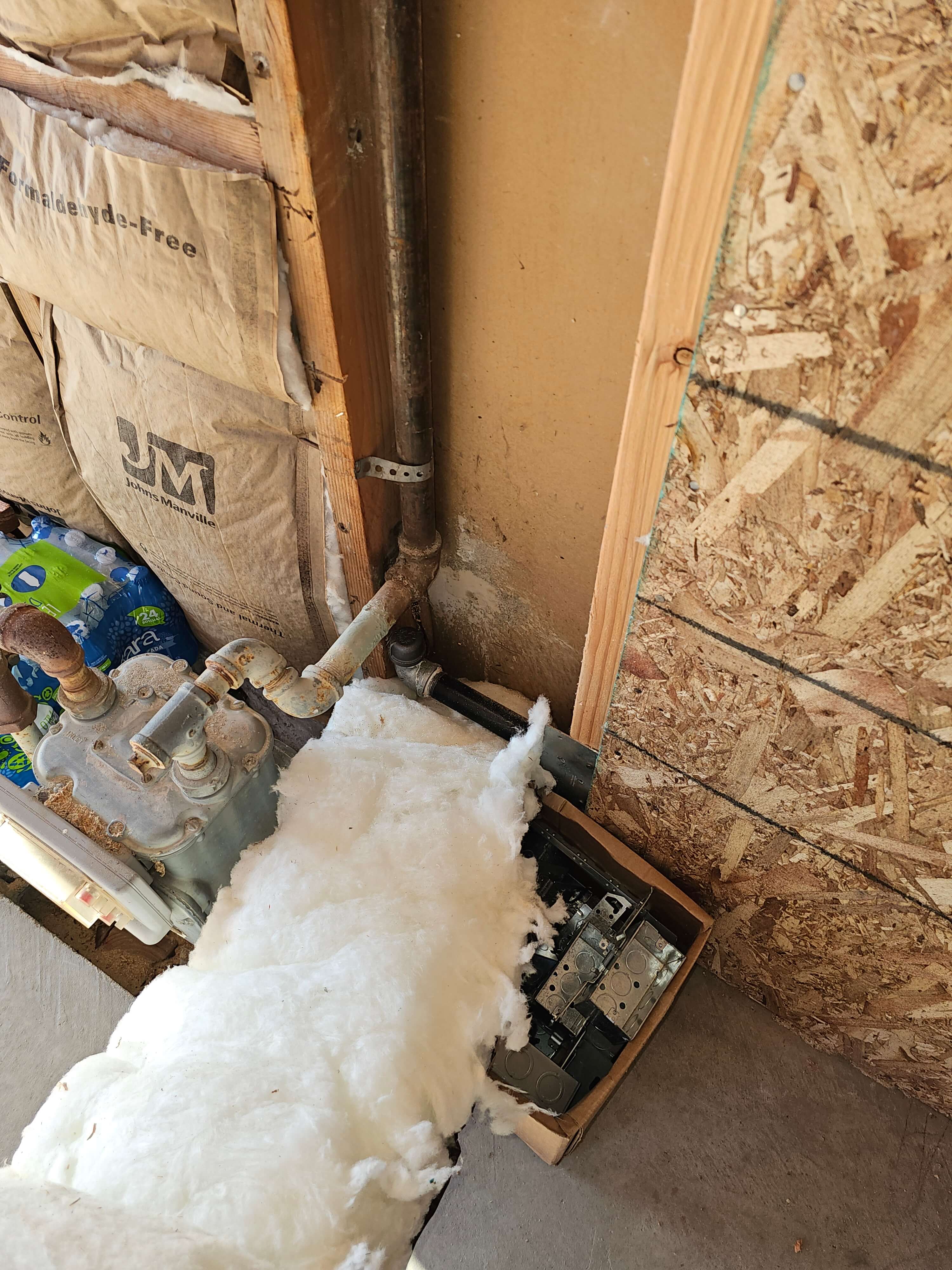
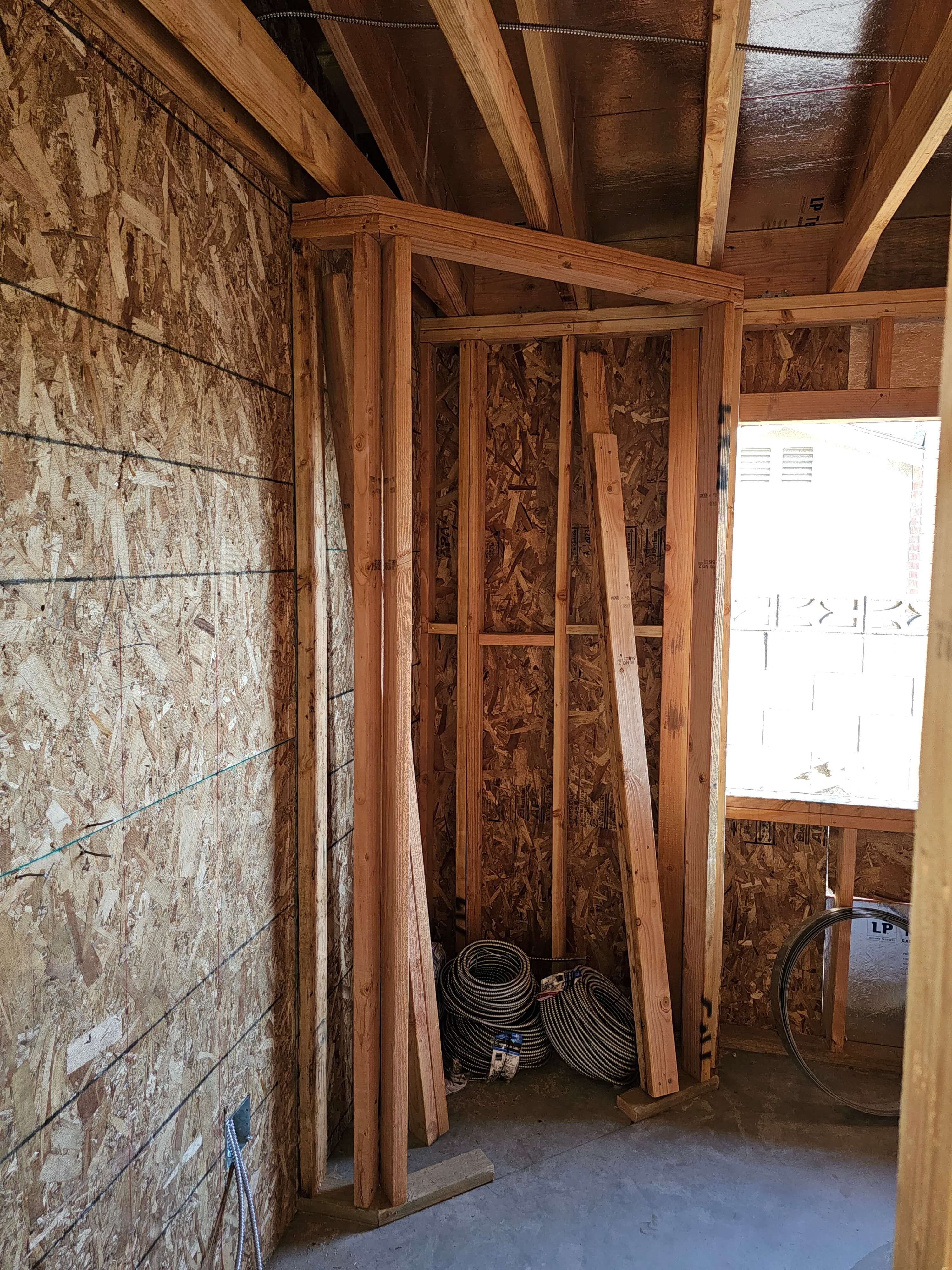
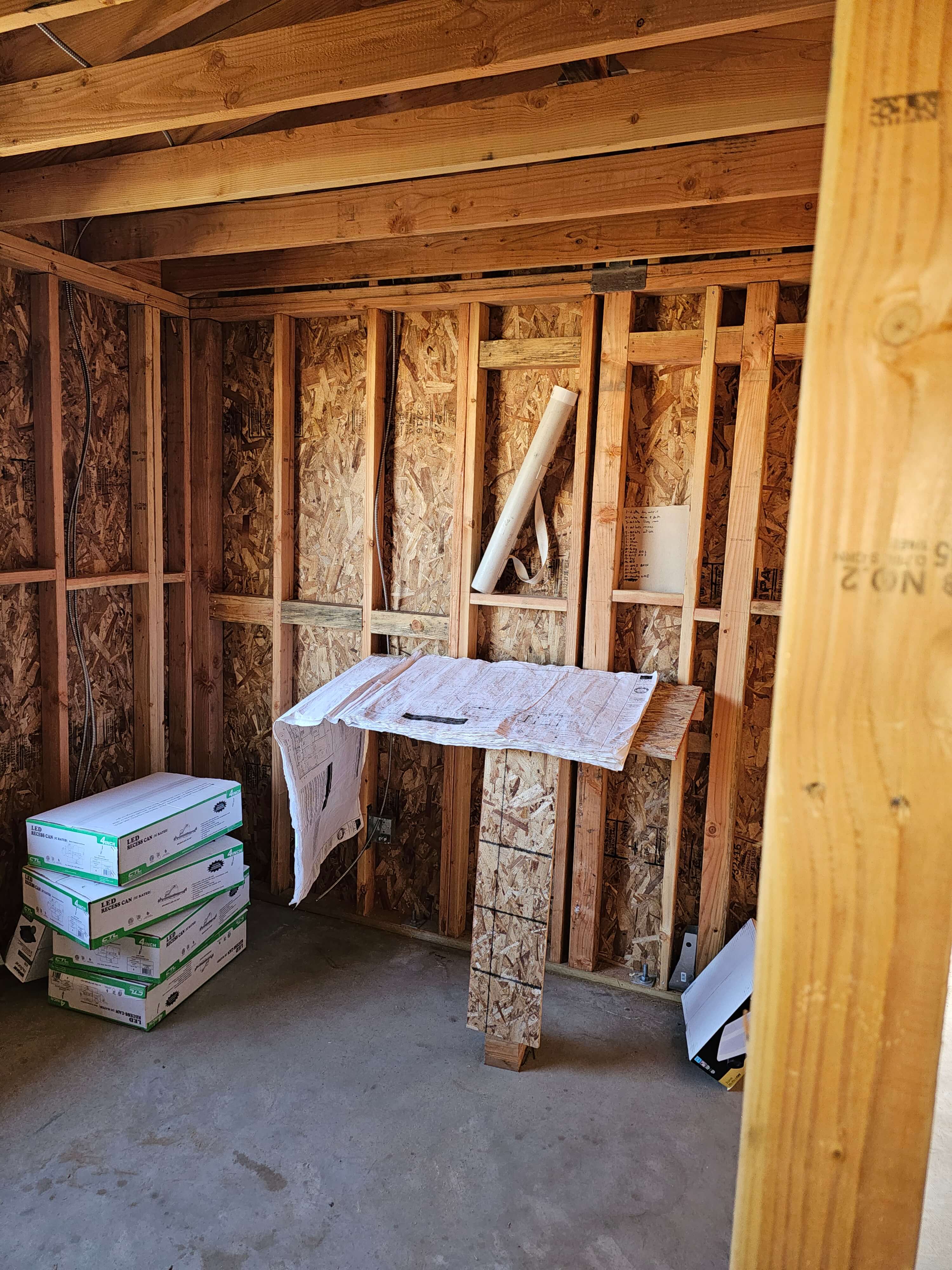
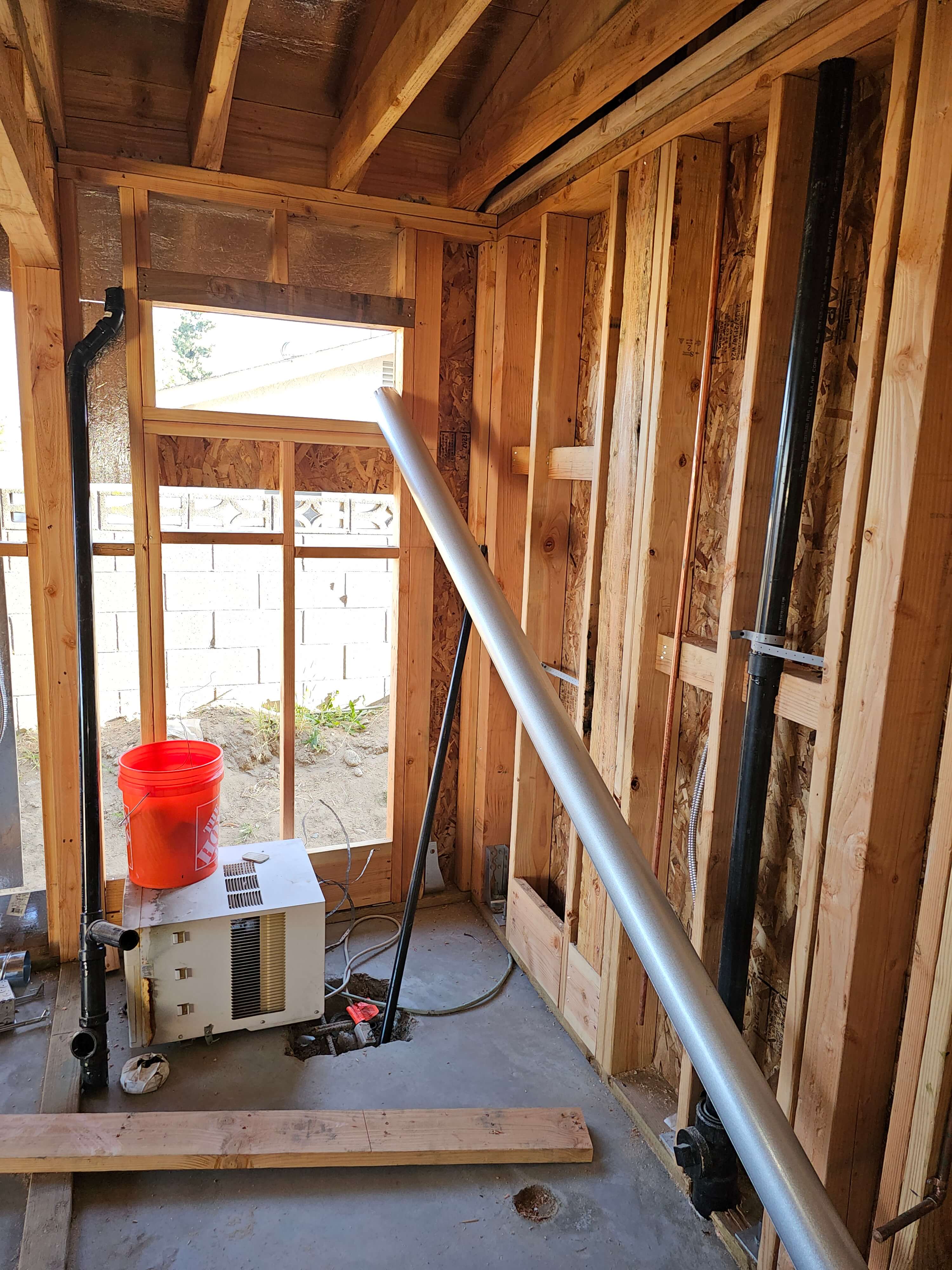
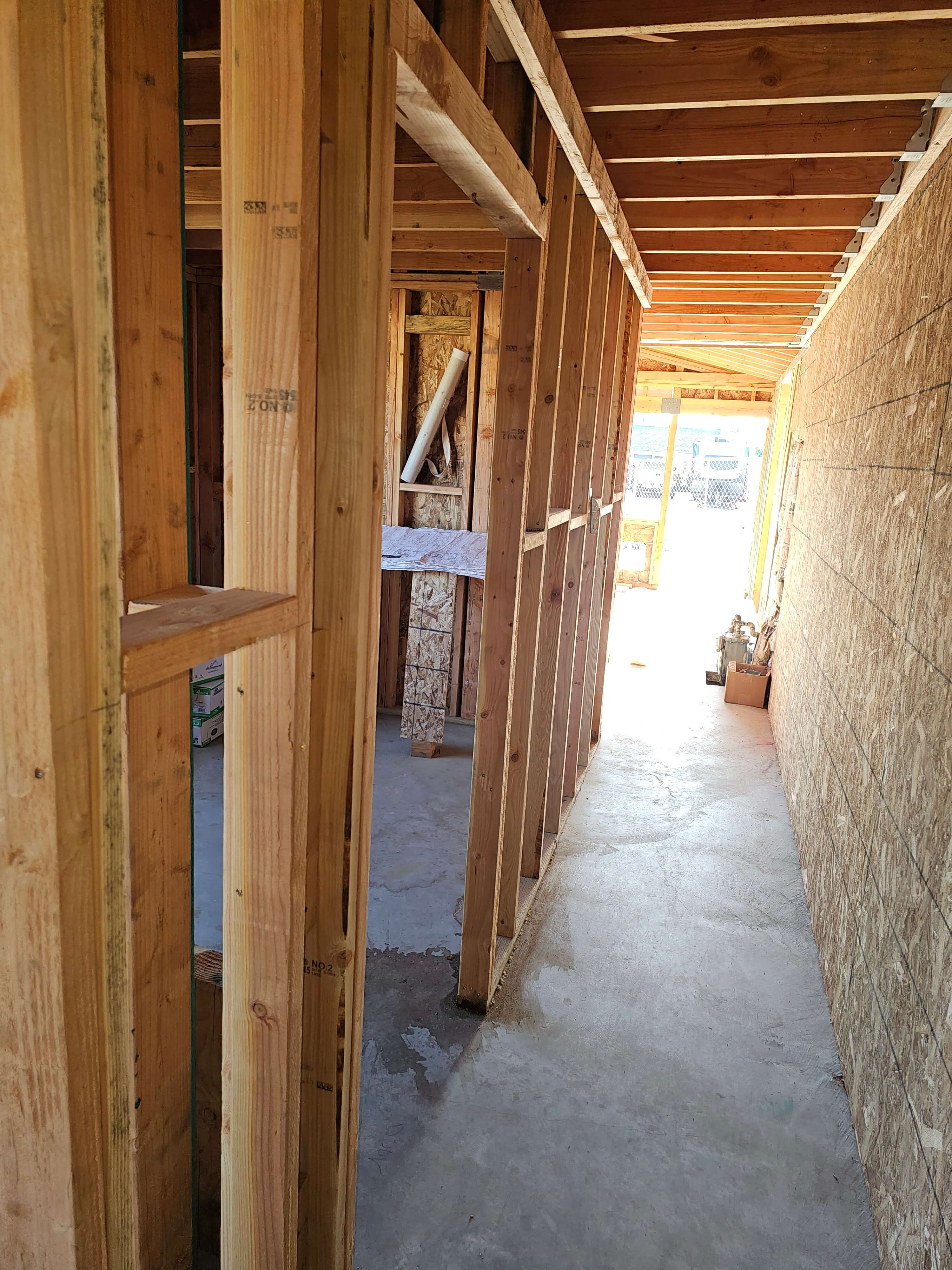
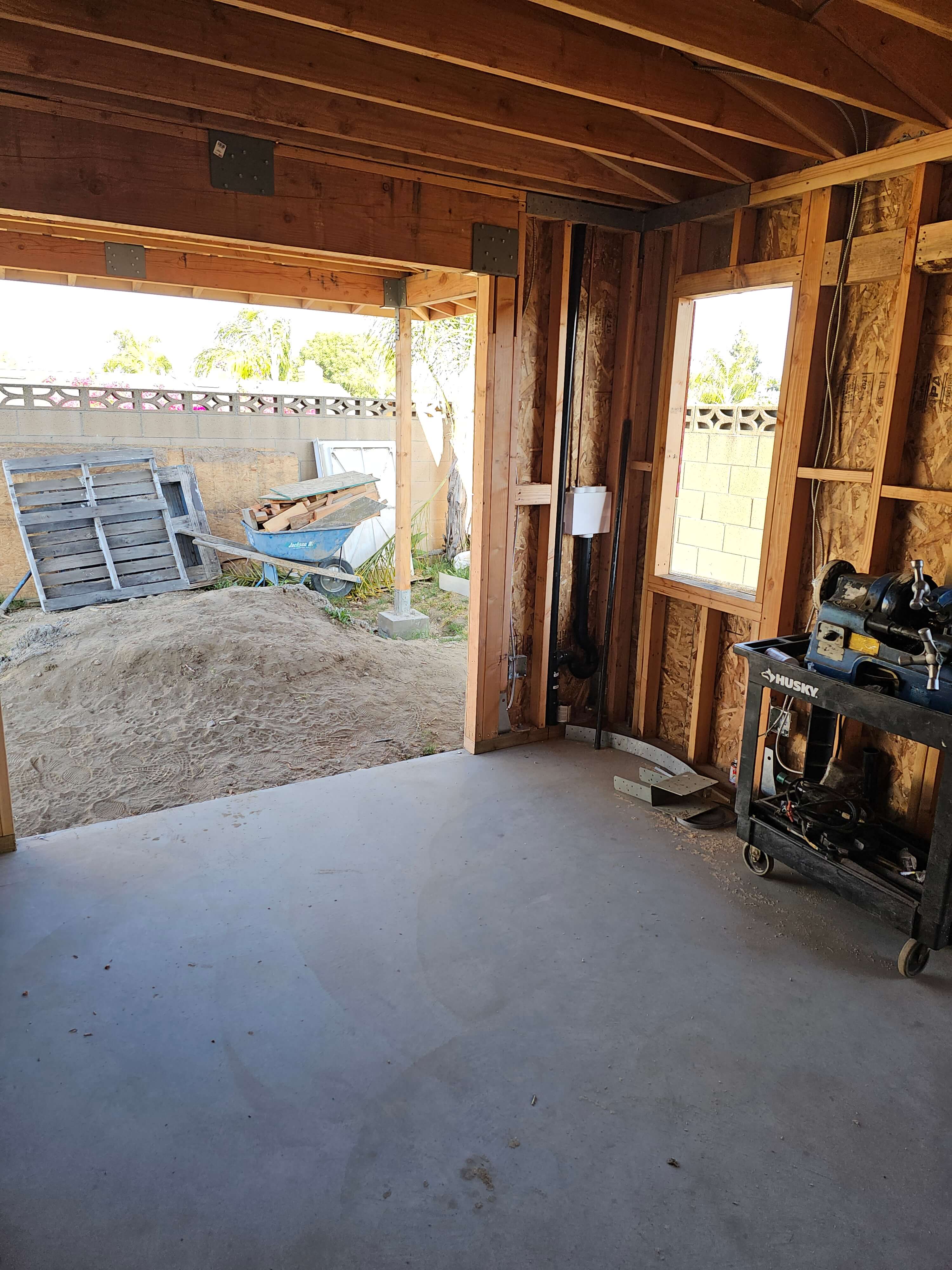
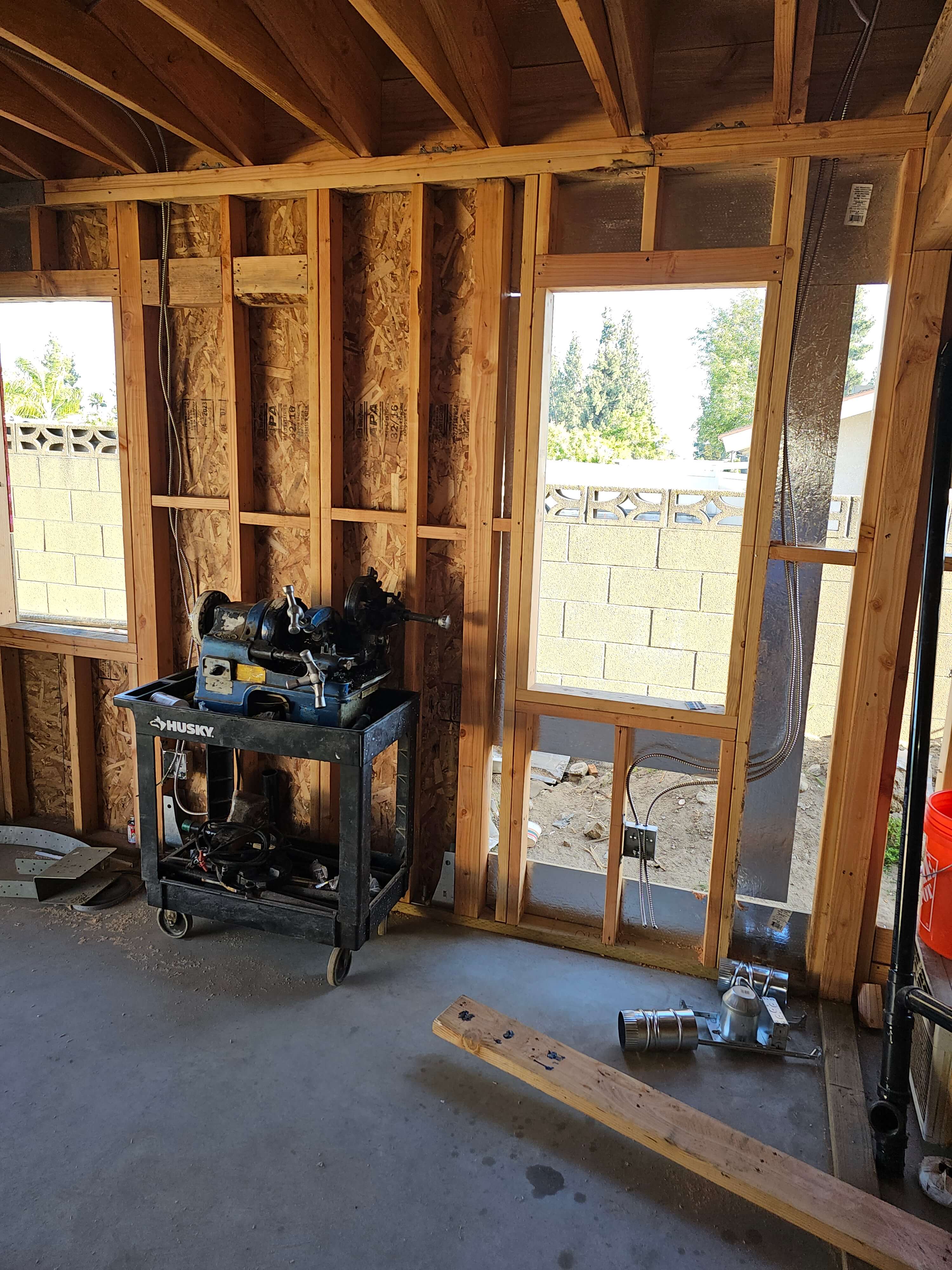
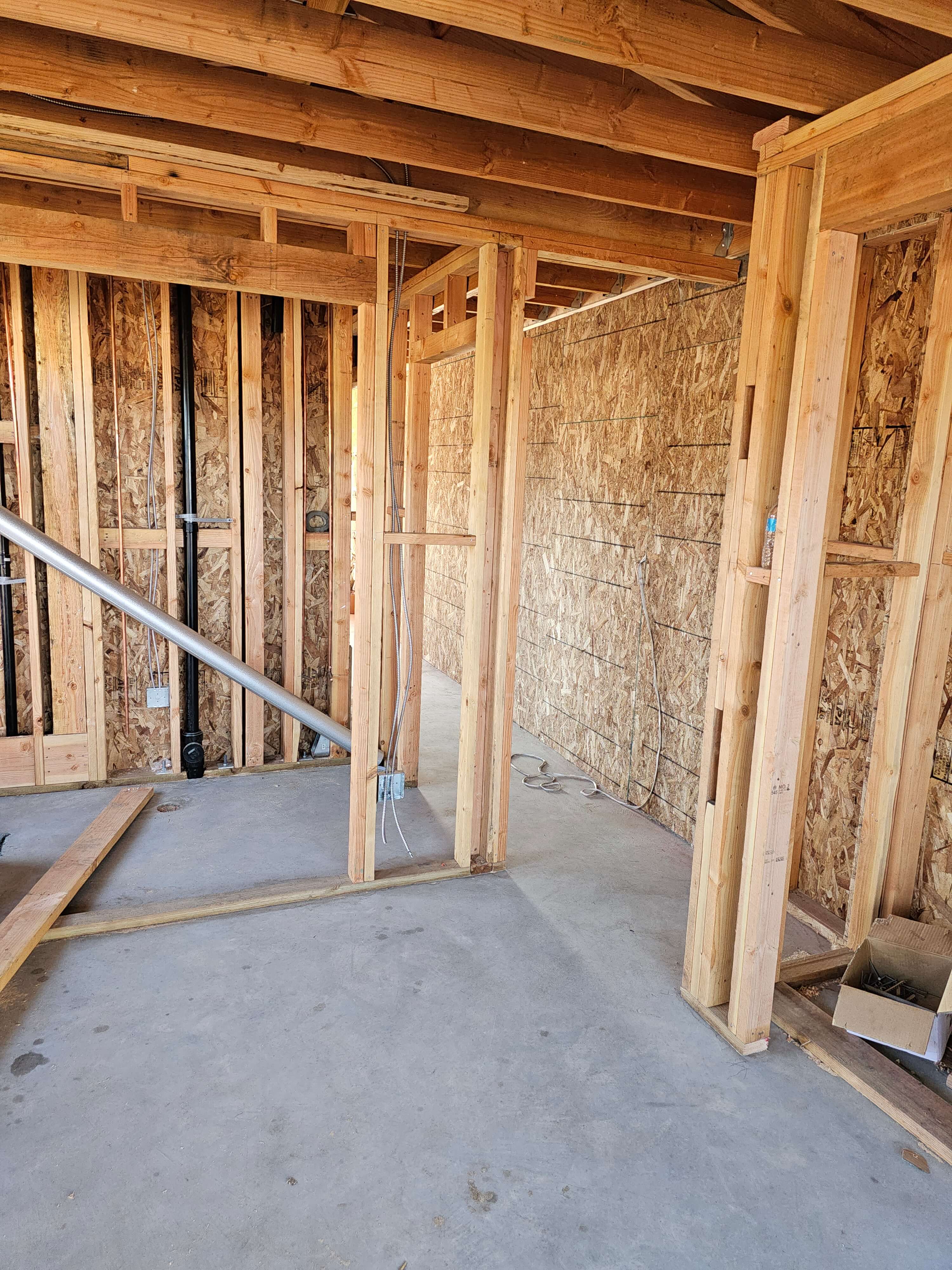
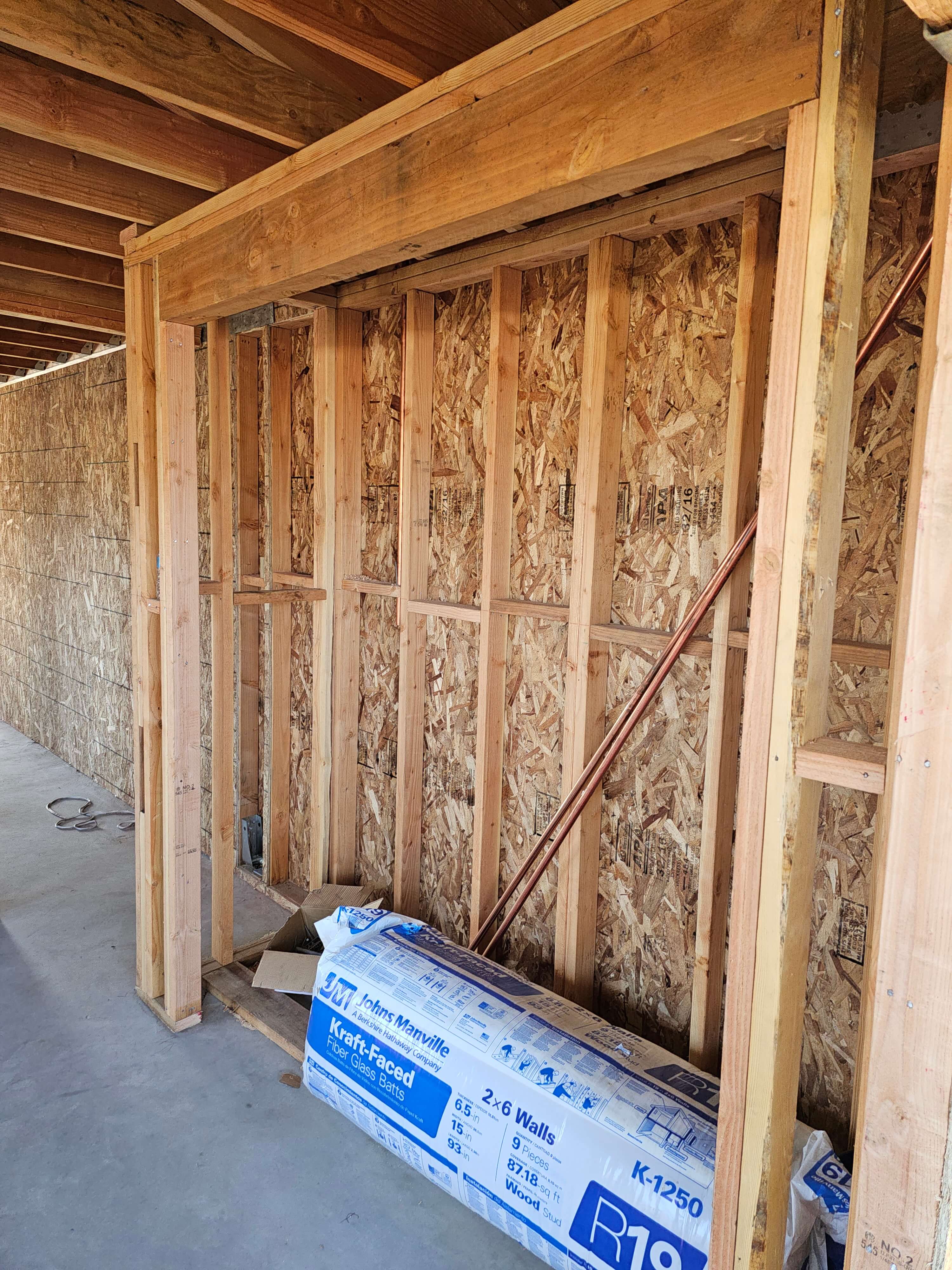
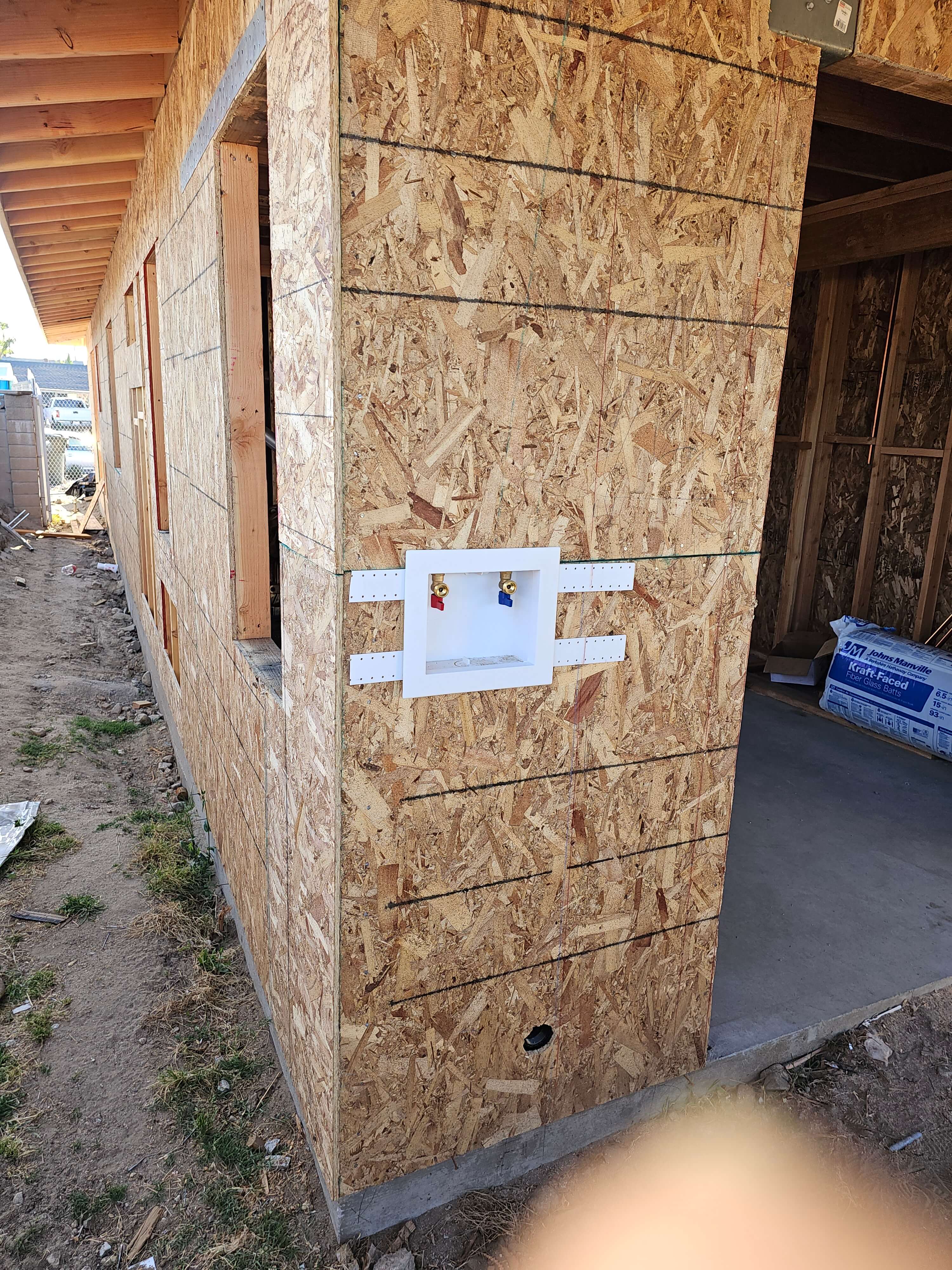
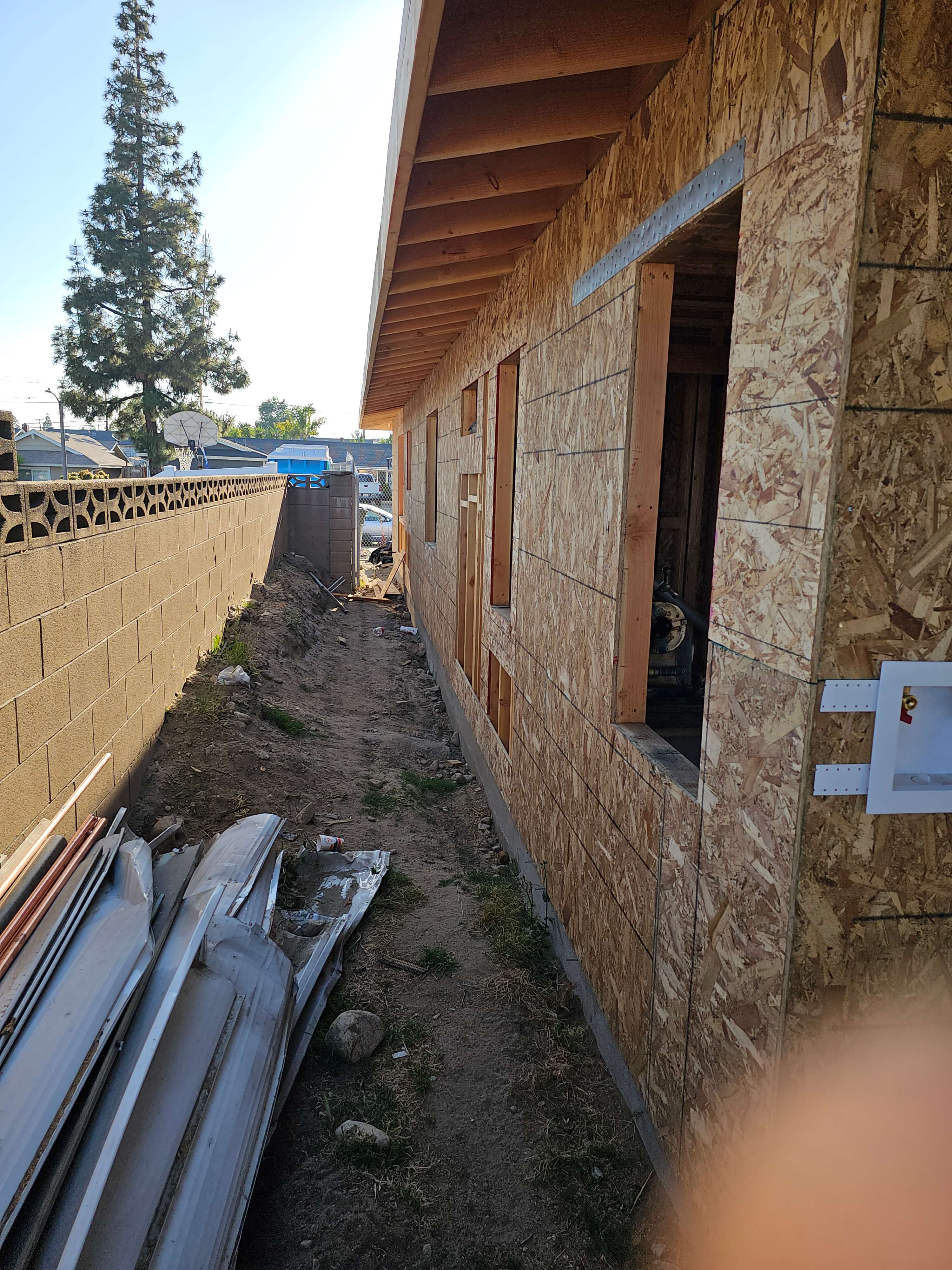
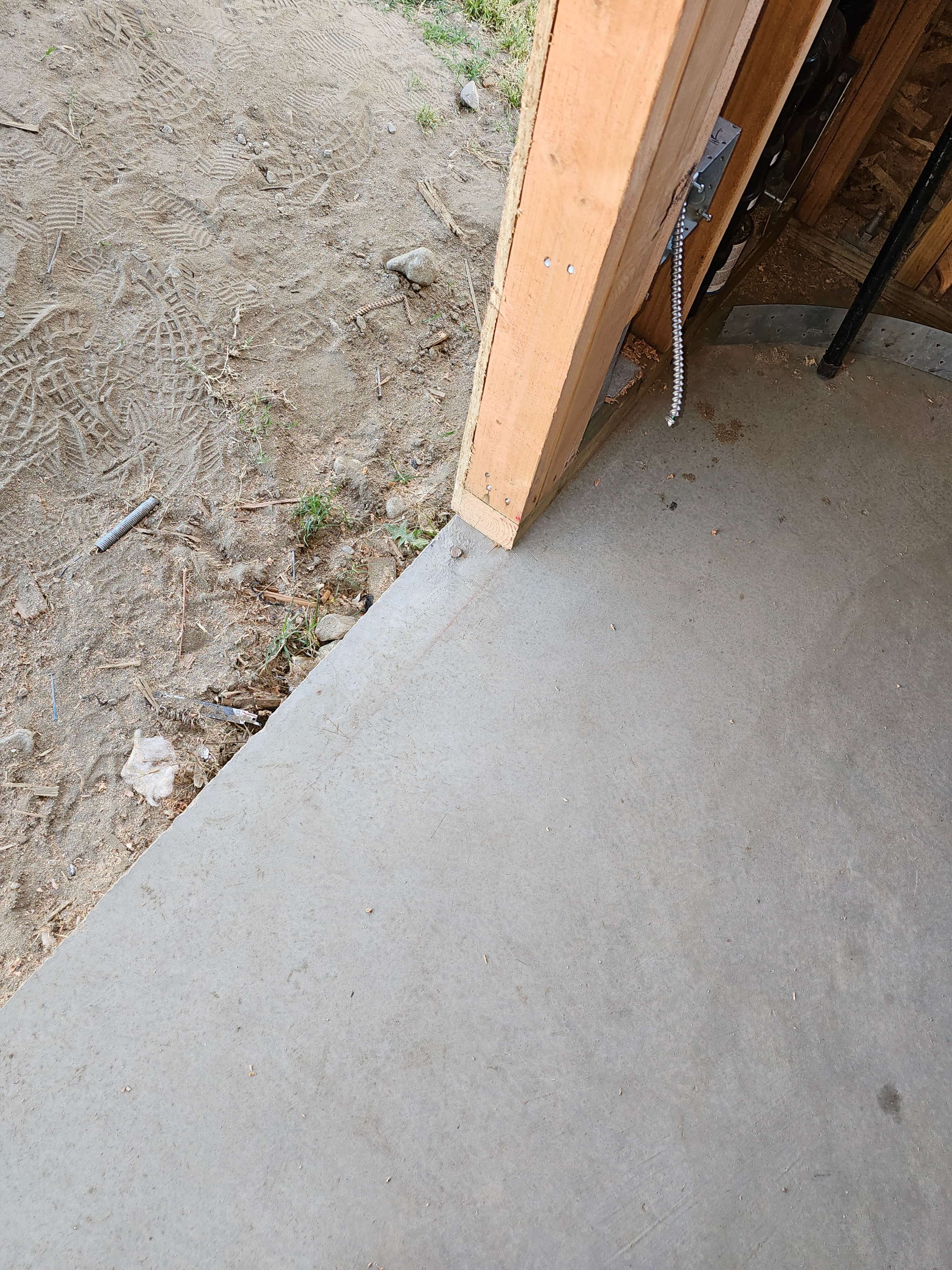
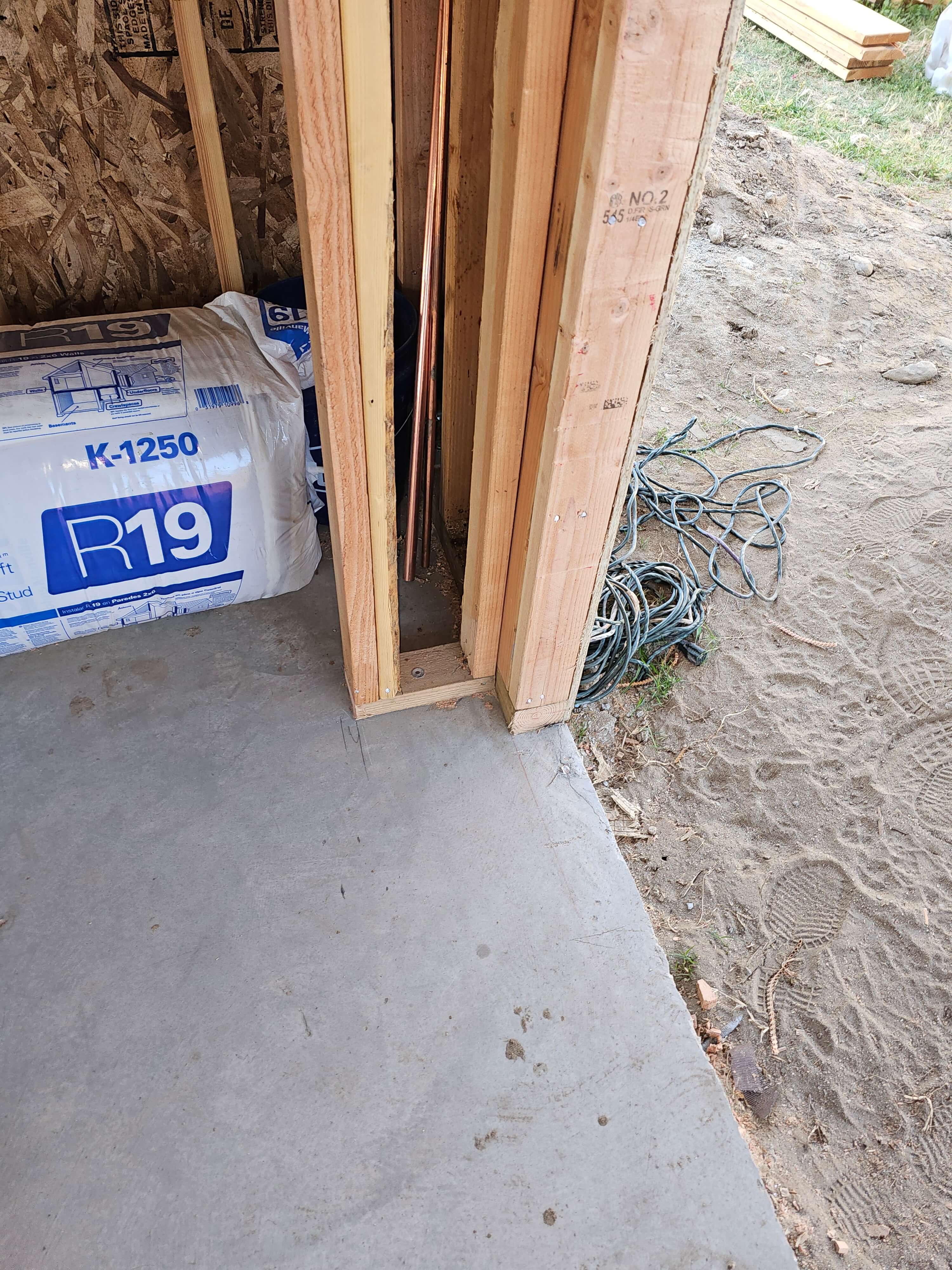
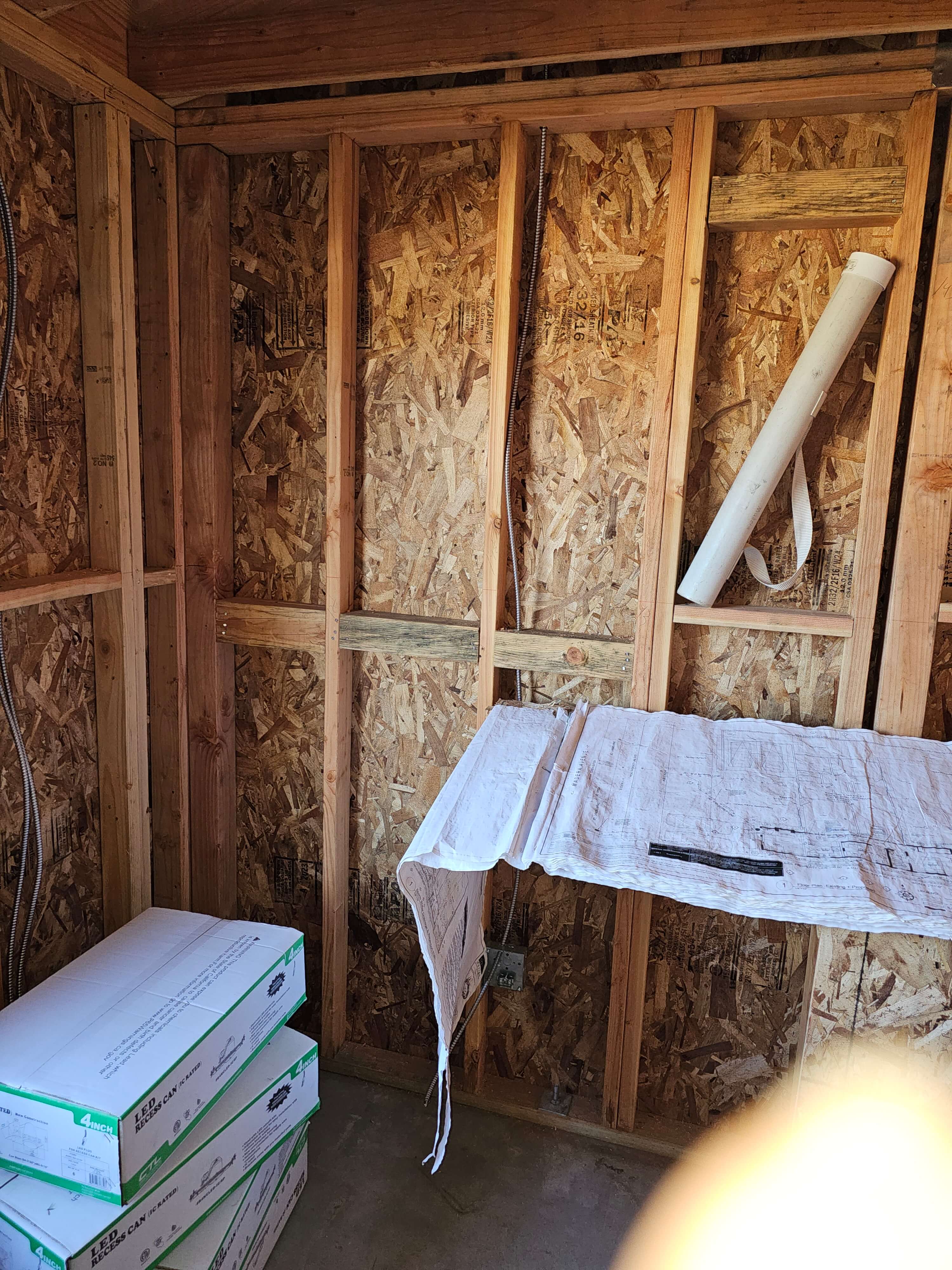
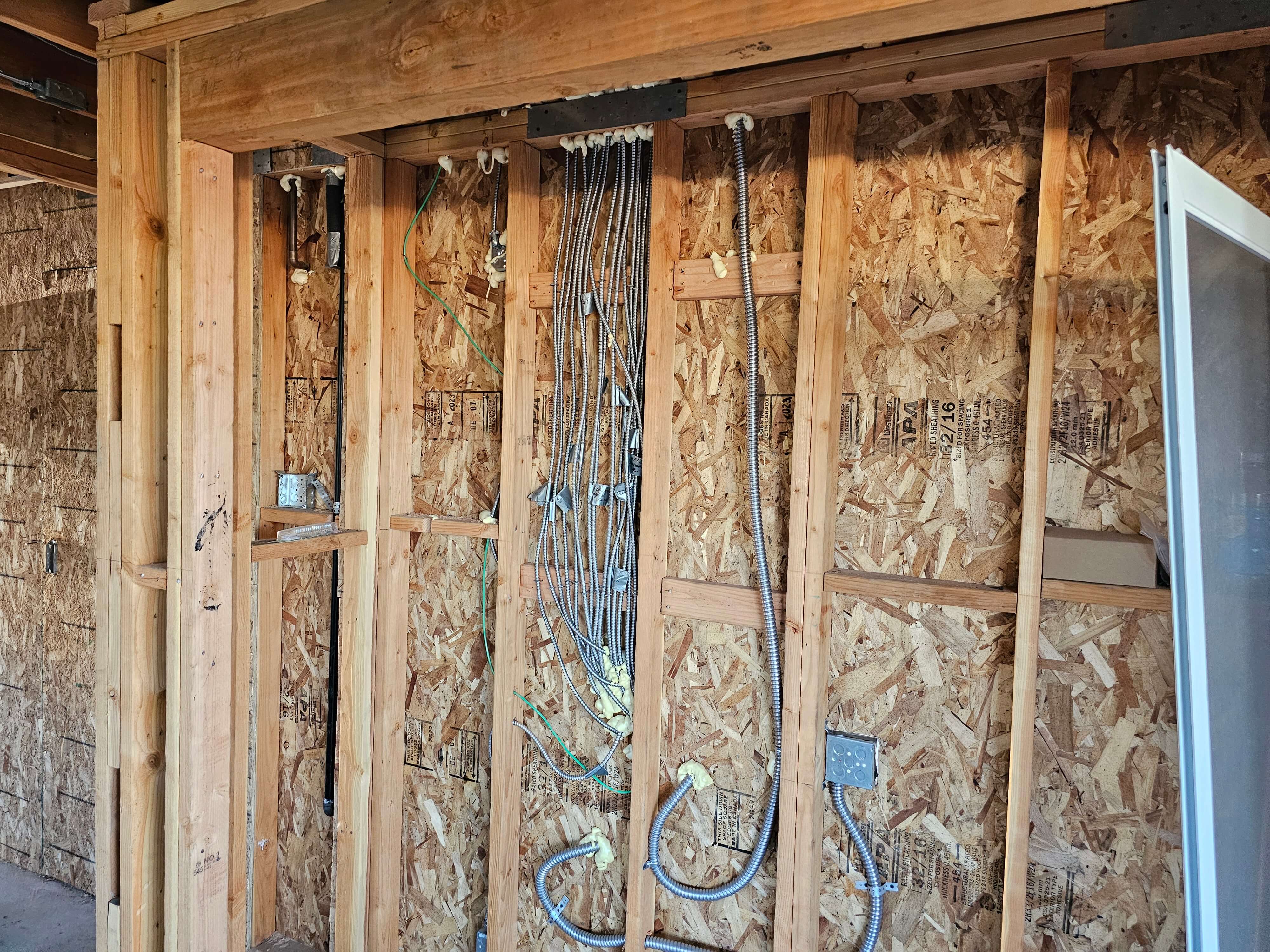
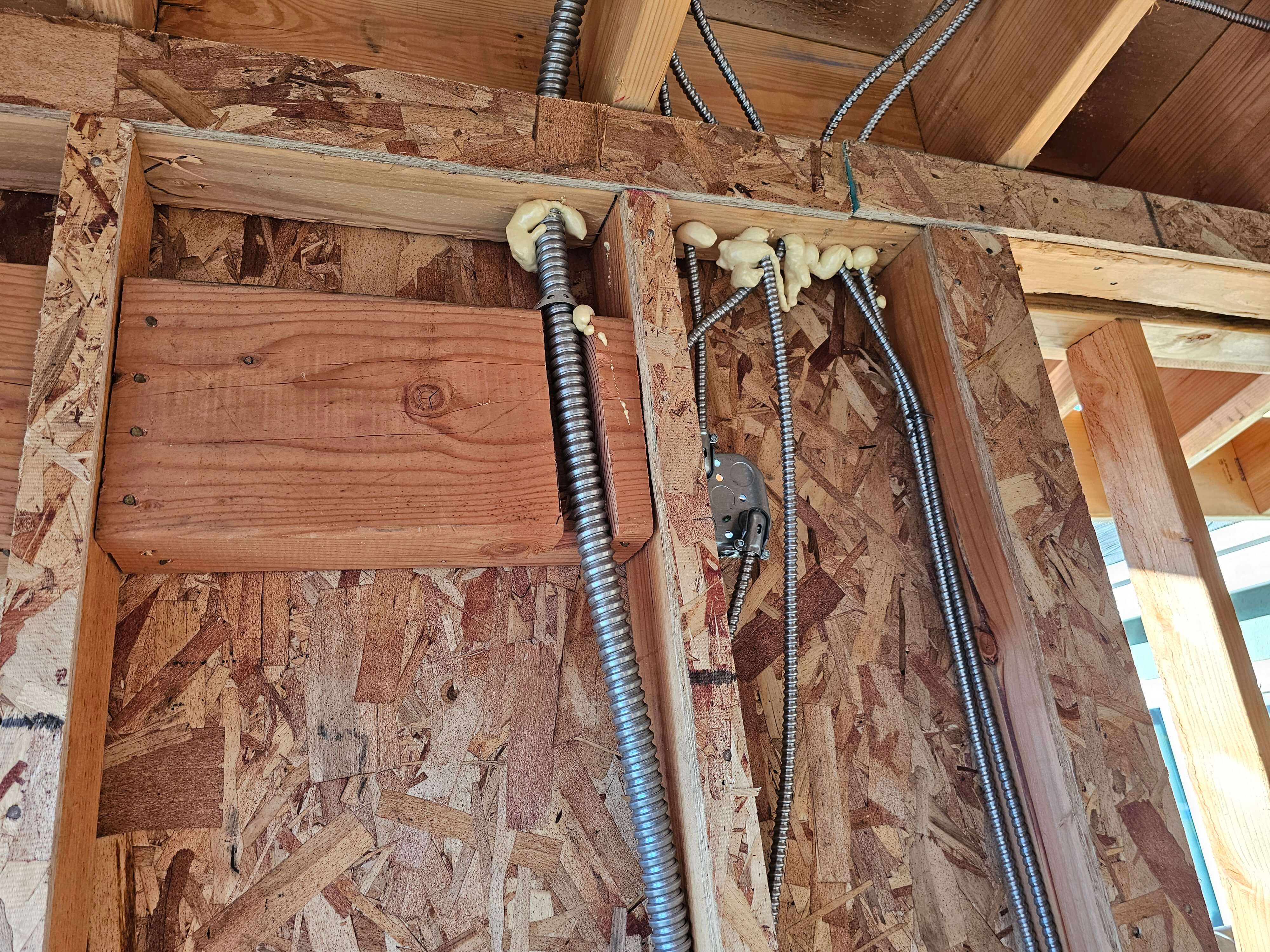
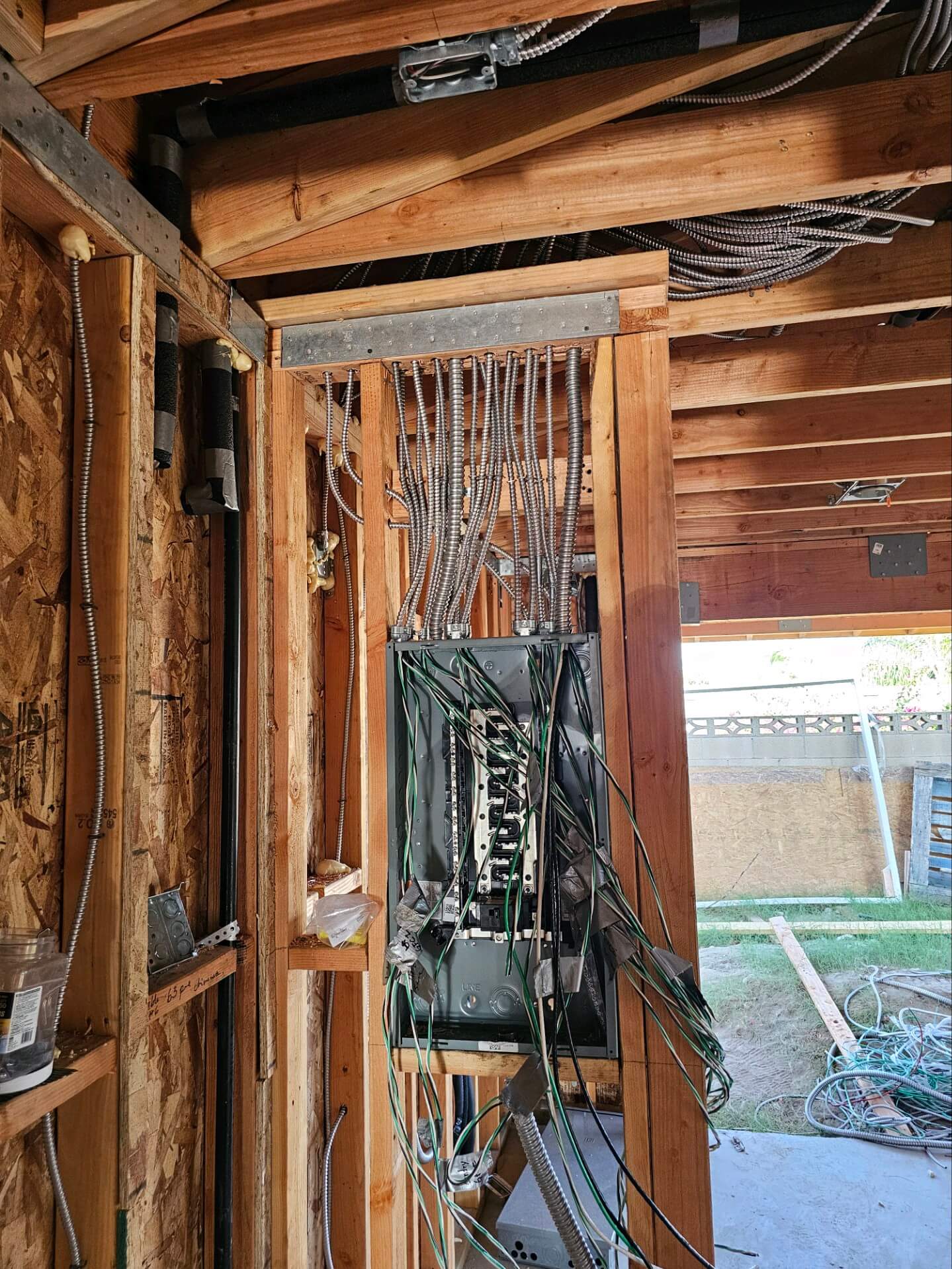
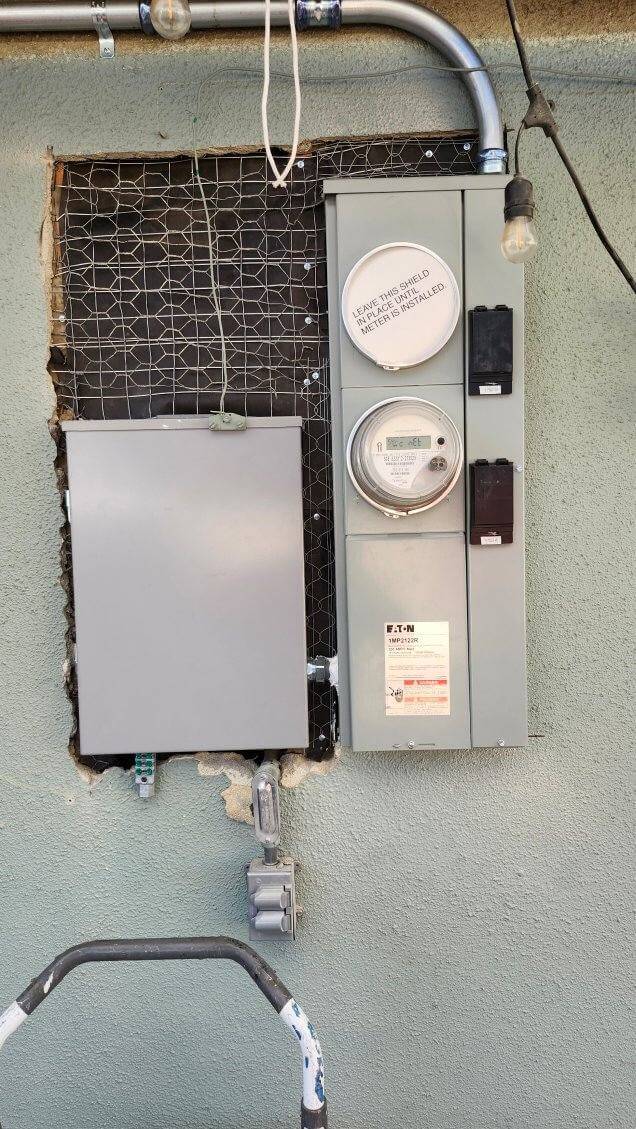
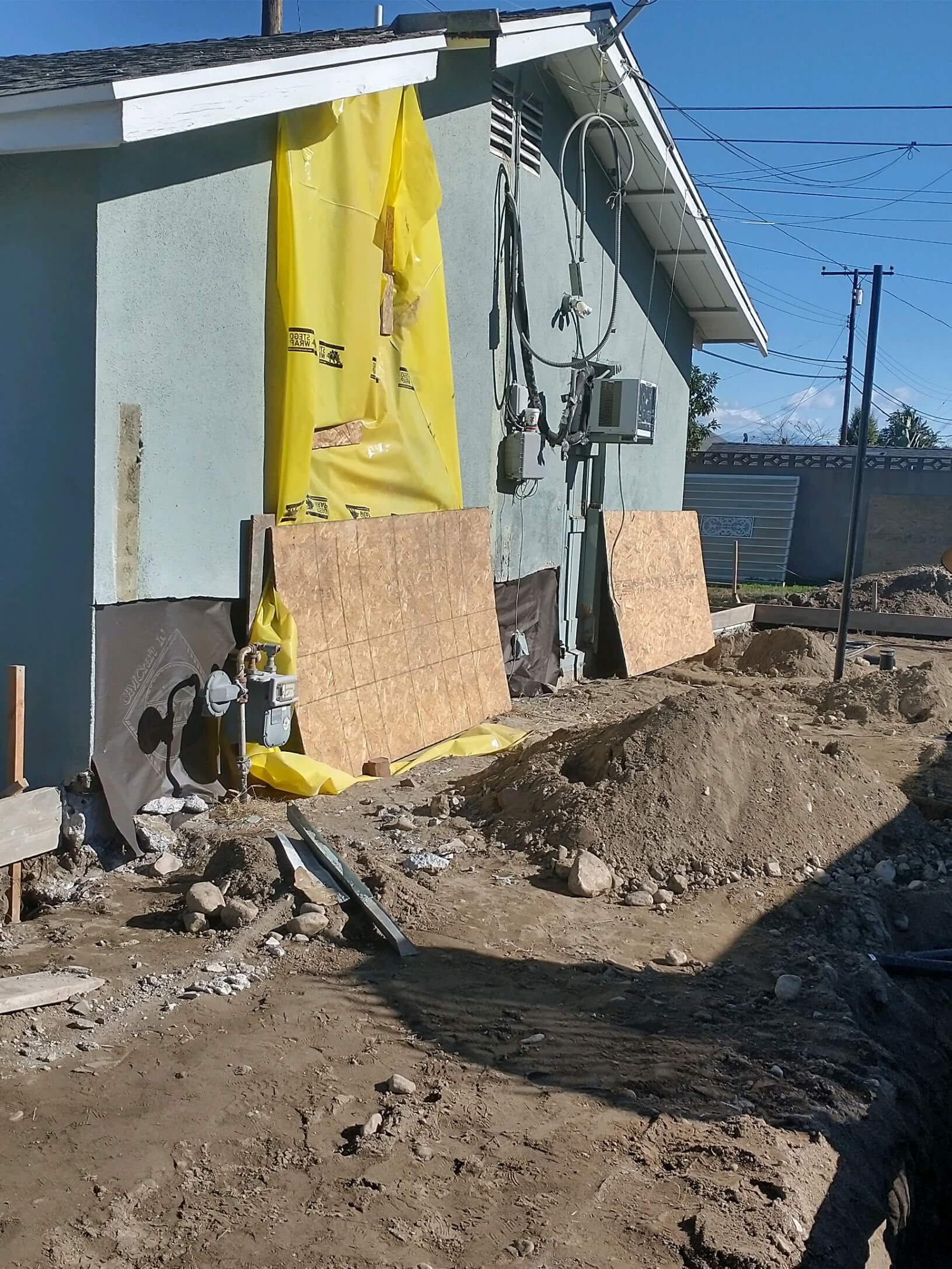
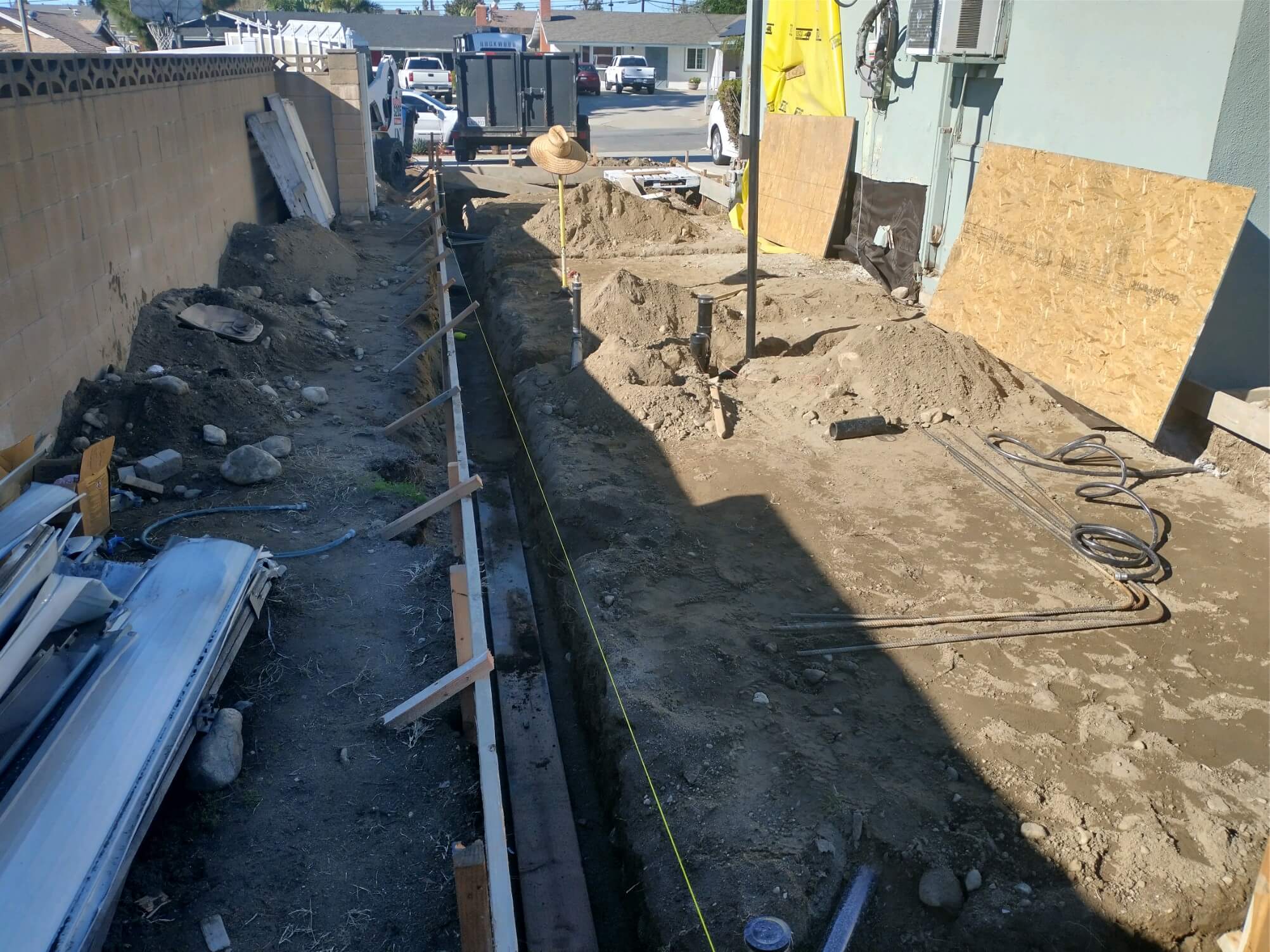
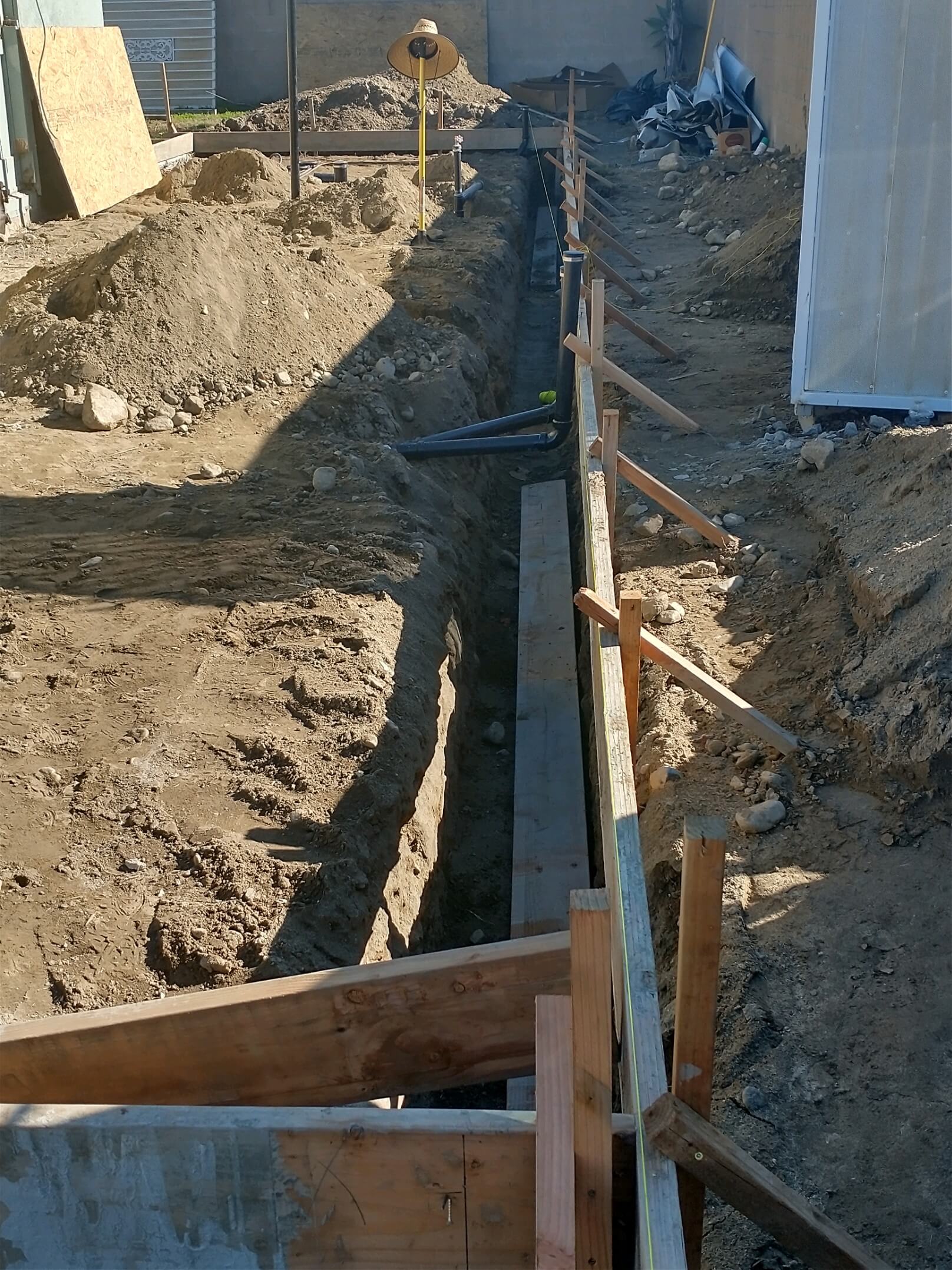
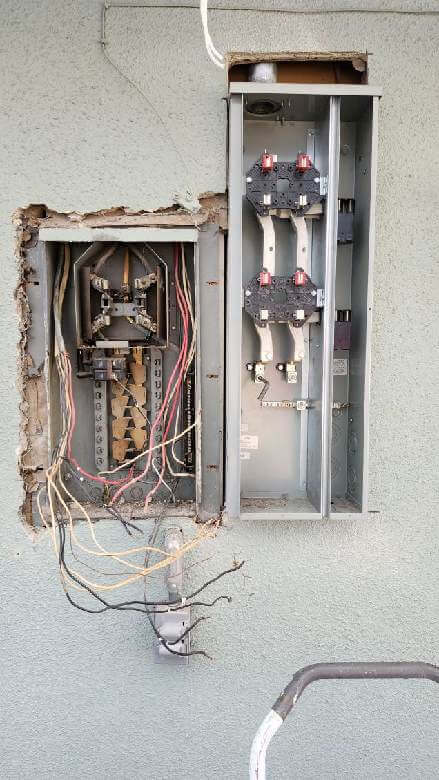
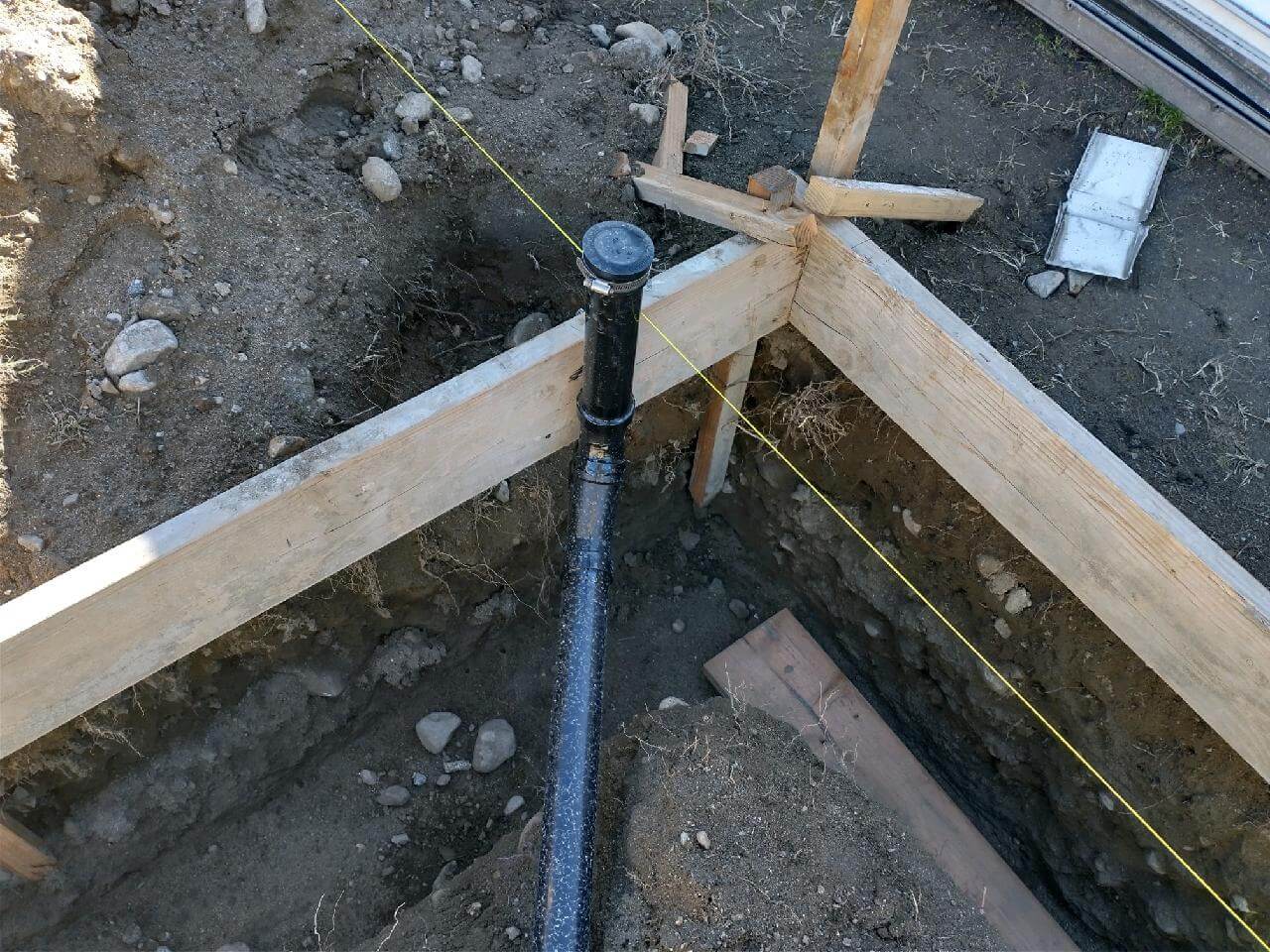
32 photos from the Ontario case study — from foundation excavation and rough-in framing through utility installations and exterior close-outs. Use the filters to sort by construction phase.
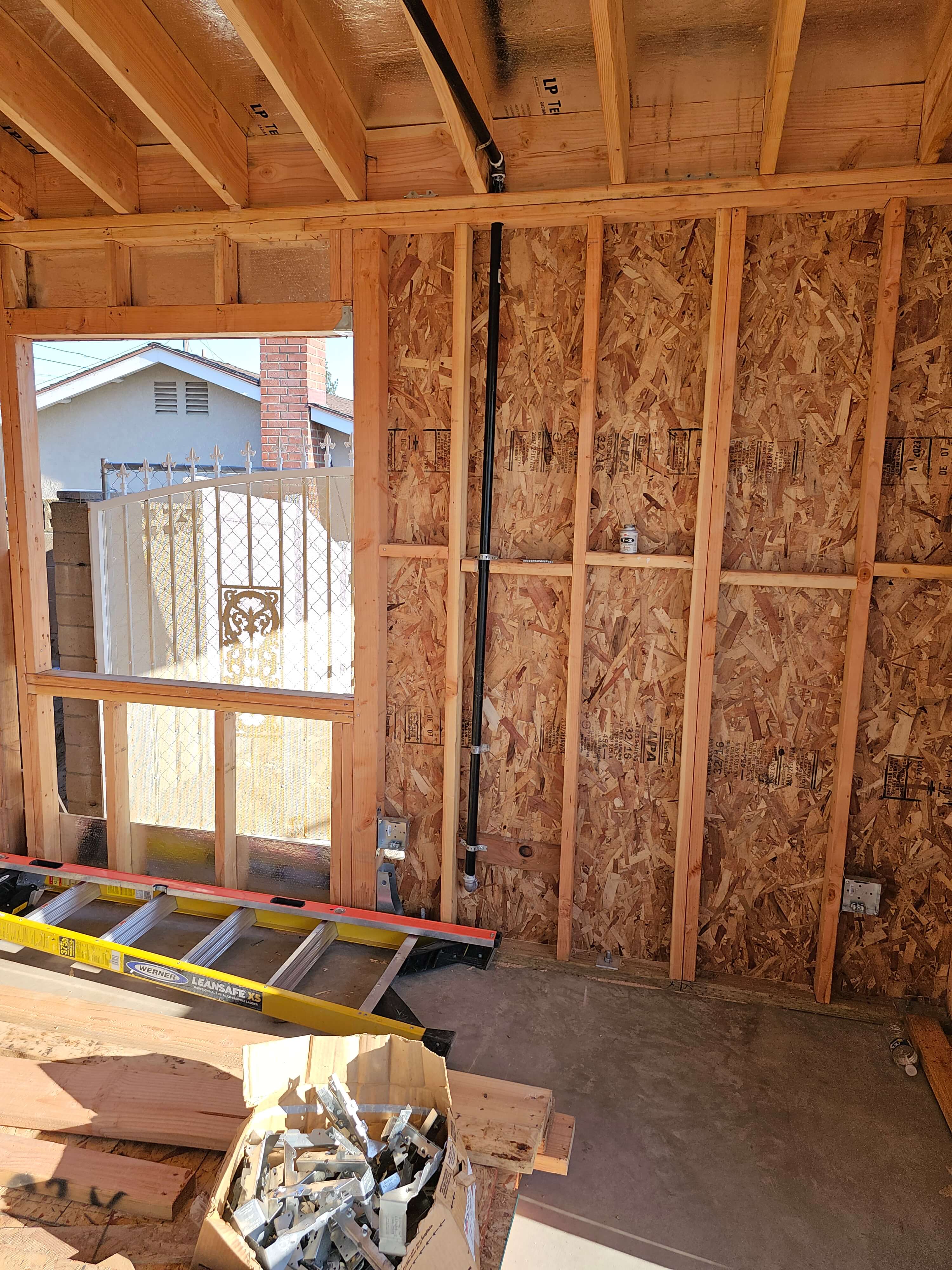 Ontario
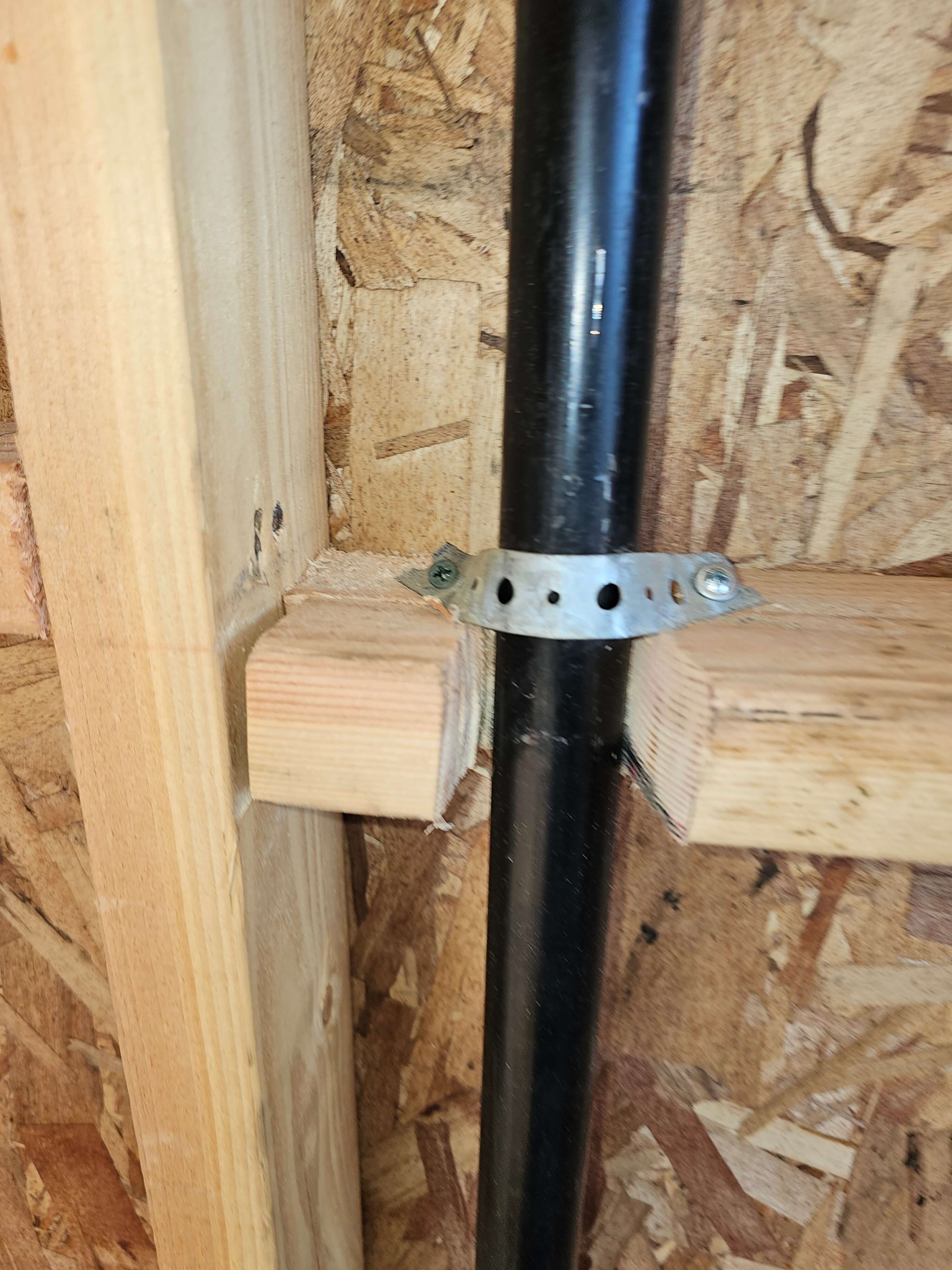 Ontario
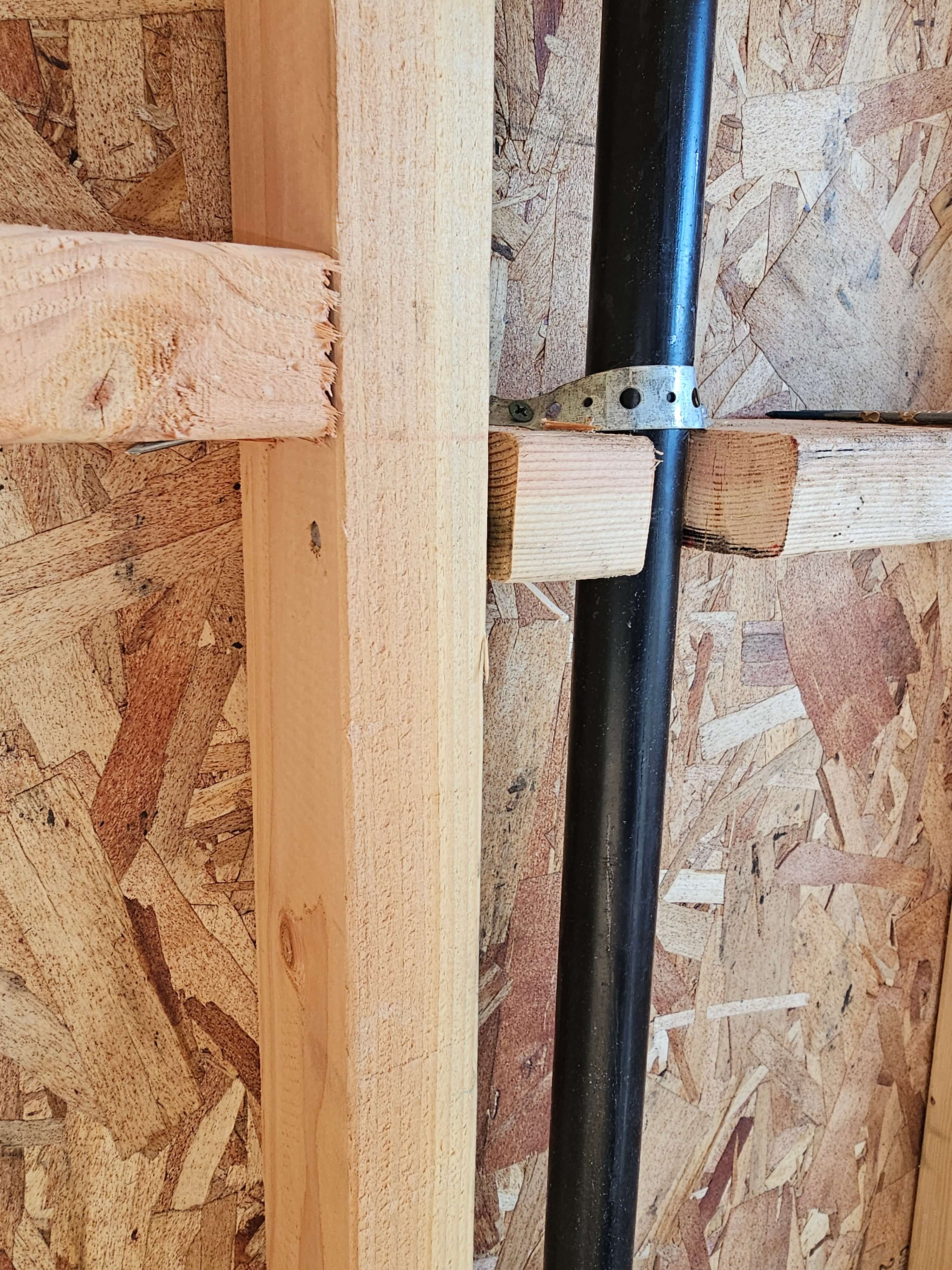 Ontario
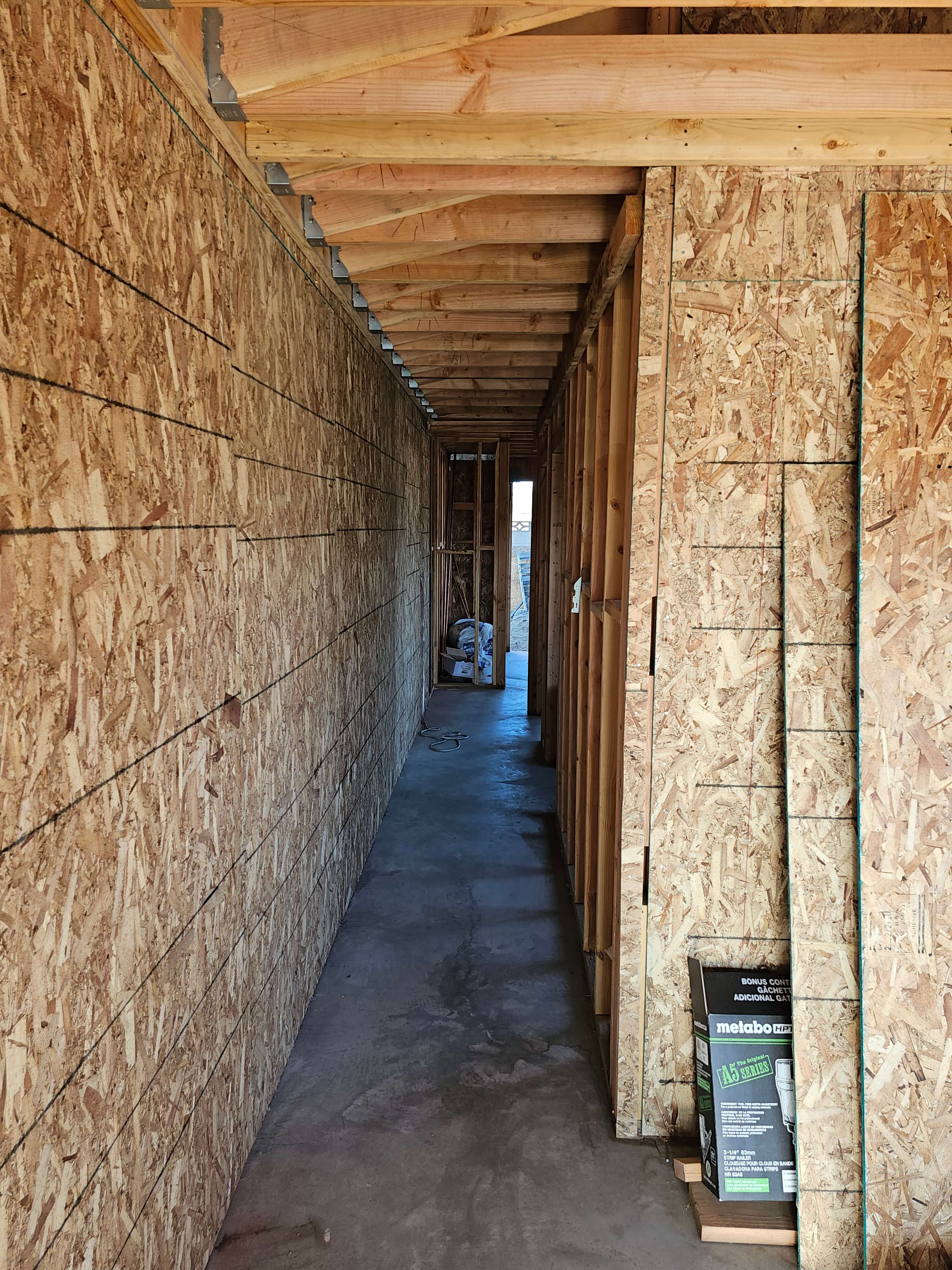 Ontario
 Ontario
 Ontario
 Ontario
 Ontario
 Ontario
 Ontario
 Ontario
 Ontario
 Ontario
 Ontario
 Ontario
 Ontario
 Ontario
 Ontario
 Ontario
 Ontario
 Ontario
 Ontario
 Ontario
 Ontario
 Ontario
 Ontario
 Ontario
 Ontario
 Ontario
 Ontario
 Ontario
 Ontario
Side-by-side
Both Projects Compared
Two very different approaches to ADU development — same market region, different ADU types, and completely different financing paths.
Financing guide
Four Paths — and How to Choose the Right One
Both case studies illustrate how financing choice shapes total project cost, monthly cash flow, and break-even horizon. Use this framework before committing to any path.
Cash-out refinance
Replaces your existing mortgage with a larger loan; the difference comes to you as cash at closing. Best when your current rate is not substantially below today's market.
- One monthly payment, no second lien
- Large lump sum available at closing
- Resets your mortgage term and rate
- If existing rate is low, long-term interest rises
Municipal ADU loan program
City-administered low-interest loans for qualifying homeowners. Covers construction and often plans costs. Preserves your existing mortgage entirely.
- Below-market interest rate set by the city
- Plans costs often included in loan
- Existing mortgage rate preserved
- Income/property eligibility requirements apply
- Processing timelines tied to city program capacity
HELOC
Revolving credit line against home equity. Best when your existing mortgage rate is below 5% — keep it and borrow as a second lien.
- Draw in phases; pay interest only on what's used
- Preserves your existing low mortgage rate
- Variable rate — payments can increase
- Post-draw repayment period can spike costs
Construction loan
Short-term loan funding construction draws as milestones are reached, converting to a permanent mortgage. Best for homeowners with limited existing equity.
- Structured for construction phasing
- Available without a large equity base
- Higher rates and fees than other options
- More documentation and lender oversight
Decision framework
| Your situation | Recommended path | Why |
|---|---|---|
| Qualify for a city or county ADU loan program | Municipal ADU loan ← Pomona path | Below-market rate; plans often included; existing mortgage preserved |
| Mortgage rate below 5%, significant equity | HELOC | Protect your low rate; borrow as a second lien |
| Mortgage rate above 6.5%, significant equity | Cash-out refinance ← Ontario path | Consolidate at current rates; one payment |
| Limited equity, strong income | Construction loan | Access capital without requiring existing equity base |
| Strong cash reserves, no debt preferred | Cash savings | Fastest start, zero interest cost |
Field Guide v1.1 — what's new
Updated CCDS ADU Field Guide — Version 1.1
Version 1.1 adds substantive updates across every major section of the original guide — driven by real project data, red-line practitioner annotations, competitive analysis, and construction practice refinements. The two case studies are fully incorporated into Section 6, Exhibits A–E are embedded in Sections 3 and 5, and practitioner callouts have been added throughout.
| Section | What's new | Driven by |
|---|---|---|
| Section 3 | Title renamed from "What an ADU Is" to "What is an ADU?" — Exhibit E (site plan) added as visual reference | Title correction + exhibit integration |
| Section 5 | Exhibits A–D added — Lot Size, Shape, Slope/Topography, and Lot Orientation with descriptive captions | Exhibit integration |
| Section 6 | Case Study 1 (Ontario) — water meter decision reframed as owner cost-saving choice ($4,350 sub-meter vs. $11,500 street meter, saving $7,150); laundry overrun $6,300; site work overrun $21,350; rental $2,050/mo; break-even ~7 years | Ontario project data |
| Section 6 | Case Study 2 (Pomona) — 400 sq. ft. garage conversion, $127K City of Pomona ADU loan, 1BR, in permitting, anticipated $1,200–$1,500/mo | Pomona project data |
| Section 6 | Financing Decision Framework — five-path decision table (municipal loan added as first priority) | Competitive gap analysis |
| Section 6A | ADU Investment Strategy Narrative — occupancy models, cost control, financial evaluation, exit strategies | Updated PDF draft |
| Section 7A | Owner-Builder Risks — legal, insurance, financing, resale, subcontractor exposure and mitigation | Updated PDF draft |
| Sections 7 & 12 | Cross-reference callouts linking Ontario project lessons to Phase 1 (water meter cost comparison — $4,350 sub-meter vs. $11,500 street meter) and Phase 4 (plan revision cost impact) | Ontario project data |
| Section 11 | Phase 3 permit package expanded — assigned address of proposed ADU and wet-signed, stamped plans by licensed engineer or architect added as required submittal items | Permitting practice update |
| Section 12 | Phase 4 first sentence updated — owner-builder exception noted with reference to Section 7A risks; Foundation inspection expanded to include concrete forms, structural connections, hardware, and third-party special inspections; MEP Rough-in expanded to require underground piping and conduit inspection prior to trench backfill | Construction practice update |
| Section 5 | Addressing bullet expanded — USPS postmaster coordination added; utility purveyor contact note expanded with processing fees, timelines, and submittal content requirements | Red-line annotation |
| Section 6 | New "Grant and Loan Programs" callout — CalHFA pre-construction grants and municipal low-interest loan programs for qualifying homeowners | Red-line annotation |
| Section 9 | Best Practices expanded — slope pitch of entries and perimeter hardscape (walks, patios, gutters) for attached/detached ADUs; Budget Alignment Note expanded with plan designer RFI scope requirement; new Surveyor Note callout added | Red-line annotation |
| Section 10 | Solar bullet updated — "or proposed" ADUs added; Fire Sprinklers expanded with separate connection and fire district plan review requirements; Dry Utilities expanded with fire district and sprinklers; Schedule Warning expanded with address assignment and development services clerk coordination | Red-line annotation |
| Section 11 | Item-by-item resubmittal response requirement added; COA language clarified as mandatory; new Pre-Submittal Coordination callout (GC + designer gap review); contract/agreement dollar amount consistency bullet added; Plan Re-Submittal Requirement callout relocated from Section 12 into Section 11 where it belongs — prior to construction start | Red-line annotation |
| Section 12 | Structural Engineer Site Walk added as inspection milestone; engineer site walk bullet updated with written contractor confirmation requirement; Meter Release Warning updated — "final inspection" language clarified. Plan Re-Submittal Requirement callout removed from this section and relocated to Section 11. | Red-line annotation |
| Section 15 | Two new Key Takeaways: Property Boundaries (licensed surveyor for staking and future sale) and Plan/Scope of Work Dependencies (concurrent architect-contractor gap resolution) | Red-line annotation |
| Section 17 | Watch Manual entry expanded — clarified as ROW work by Civil 'A' contractor; new water meters typically installed within ROW | Red-line annotation |
| Section 14 | Checklist updated — water meter cost comparison (both options) and written contingency fund added as explicit items | Ontario project lessons |